Vpn on microsoft edge 2026
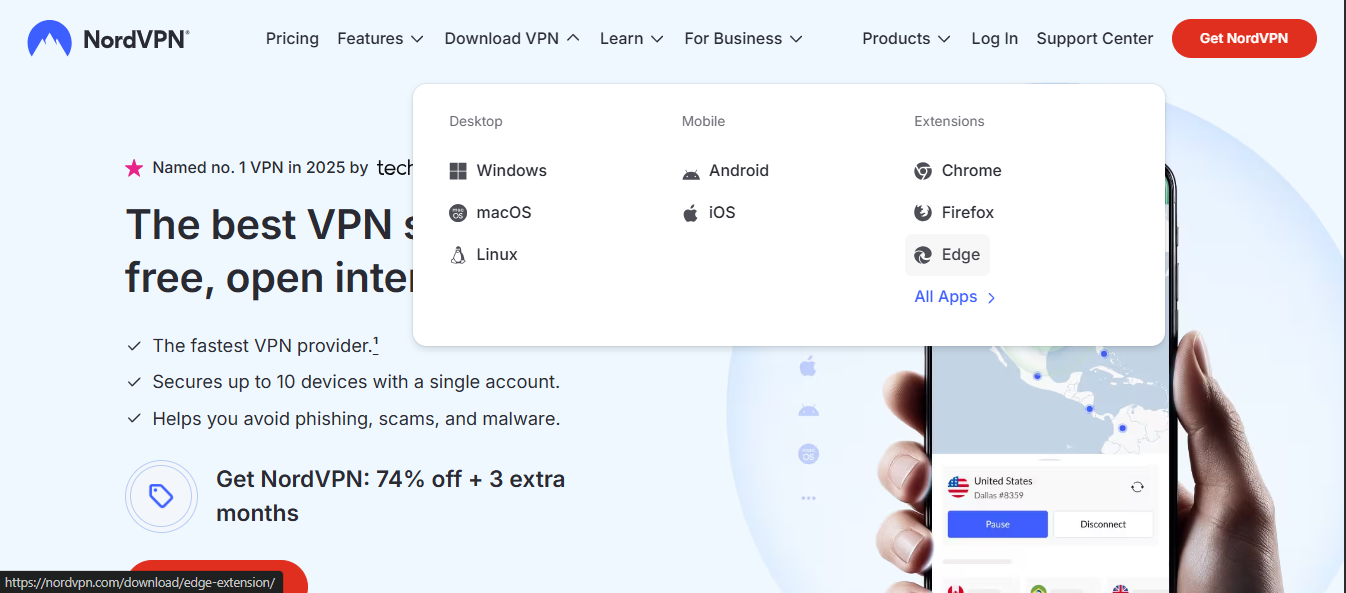
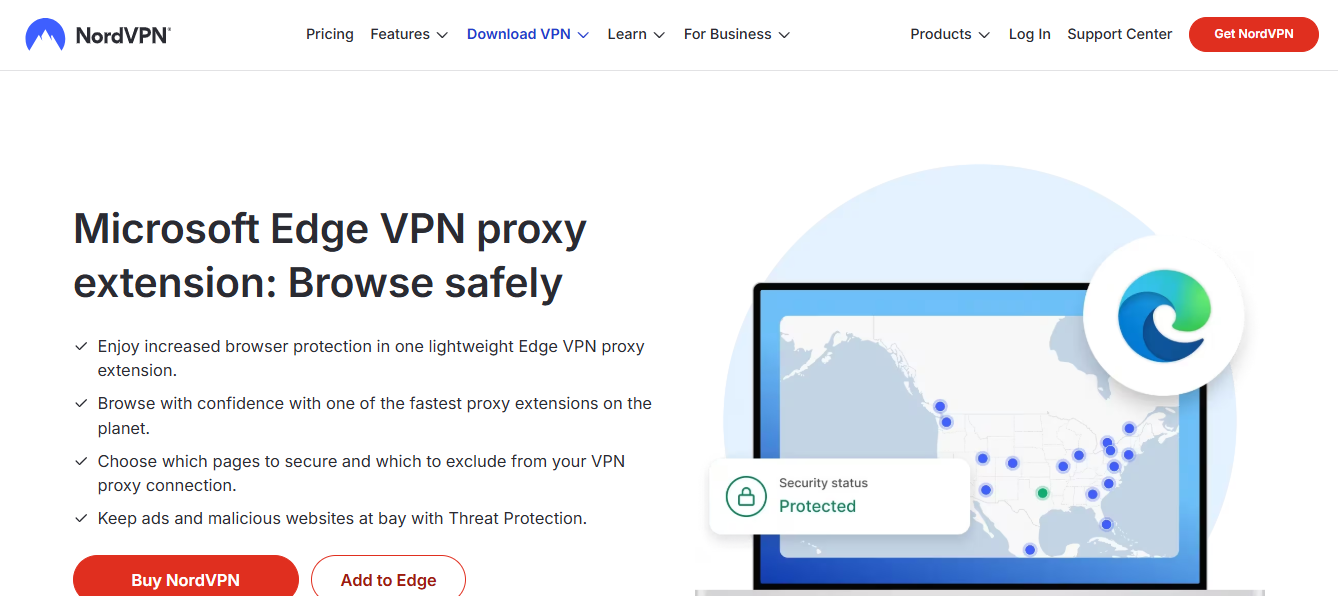
Vpn on microsoft edge: A quick fact—using a VPN with Edge hides your IP, encrypts traffic, and helps bypass geo-restrictions, all while keeping your browsing experience smooth. If you’re looking to level up your online privacy on Windows, Edge is a solid companion, especially since you can use built-in features and reputable third-party VPNs without switching browsers. In this guide, you’ll get a step-by-step setup, practical tips, and real-world scenarios so you can decide what works best for you.
Useful quick-start tips:
- Choose a reputable VPN with a native Edge extension and reliable Windows app.
- Enable VPN split tunneling if you want only certain sites routed through the VPN.
- Test speeds and leak protection before committing to a long-term plan.
- Consider a VPN with kill switch, DNS leak protection, and automatic reconnect.
What you’ll learn in this post:
- Why you might want a VPN on Microsoft Edge
- How to set up a VPN in Edge using extensions and the Windows app
- Comparison of Edge-specific VPN options vs. system-wide VPN
- Practical use cases: streaming, gaming, remote work, and privacy
- Troubleshooting common issues
- Data privacy basics and best practices
Introduction: Quick facts and a practical plan
- Quick fact: A VPN on Microsoft Edge hides your real IP, secures your data on public networks, and helps bypass regional content blocks.
- Why Edge users should care: Edge has strong privacy controls, supports extensions, and works well with most VPNs that offer Edge add-ons and Windows apps.
- How to approach this guide step-by-step:
- Decide between Edge extension vs. Windows VPN app
- Install the VPN and connect to a server
- Verify your connection and test for leaks
- Tweak features like split tunneling and kill switch
- Troubleshoot if anything goes wrong
- Resources unlinked text: Apple Website - apple.com, Artificial Intelligence Wikipedia - en.wikipedia.org/wiki/Artificial_intelligence, VPN comparison pages, Edge browser support pages, reputable VPN provider sites
Section: Why use a VPN on Microsoft Edge?
- Enhanced privacy and security: Encrypts data between your device and the VPN server.
- Bypass geo-restrictions: Access content that might be blocked in your region.
- Safe on public Wi-Fi: Protects you on coffee shop networks or airports.
- Real-time apps and streaming: Some VPNs work better for streaming than others; Edge users benefit from browser-level compatibility and or system-wide VPNs.
Section: VPN options for Edge extensions vs. system-wide VPN
- Edge extensions fast, browser-level:
- Pros: Quick to enable, less impact on device performance, suitable for casual browsing.
- Cons: May not route all traffic only browser traffic, some providers’ extensions are lighter on security features.
- Windows native VPN app system-wide:
- Pros: Routes all traffic, includes OS-level features like kill switch and DNS protection.
- Cons: Requires more setup, may impact overall device performance.
- Hybrid approach:
- Use a browser extension for quick, on-the-go protection while browsing in Edge.
- Run the full VPN app for full-device protection when you need it e.g., downloading, streaming, or remote work.
Section: Top features to look for in a VPN for Edge
- No-logs policy: Keeps your activity private.
- Fast servers and low latency: Especially important for streaming and gaming.
- DNS and IPv6 leak protection: Reduces risk of exposing your traffic.
- Kill switch: Automatically blocks traffic if the VPN drops.
- Split tunneling: Route only certain apps or sites through the VPN.
- Edge compatibility: A dedicated Edge extension or a smooth Windows app integration.
Section: Step-by-step guide: Setting up a VPN on Microsoft Edge Step 1: Decide your setup
- If you’re brand-new, start with a reputable VPN’s Edge extension to see if you like the experience.
- For stronger protection, install the Windows app and enable system-wide VPN.
Step 2: Choose a VPN provider
- Look for providers with:
- Clear privacy policy and no-logs commitments
- Fast, reliable servers across multiple regions
- Edge extension availability or strong Windows app integration
- Strong security protocols WireGuard, OpenVPN, IKEv2
- Transparent pricing and a money-back guarantee
Step 3: Install the Edge extension browser-level
- Open Microsoft Edge and go to the VPN provider’s extension page or Edge Add-ons store.
- Click Add to Edge and confirm.
- Sign in with your account, if required, and enable the extension.
- Connect to a preferred server from the extension interface.
Step 4: Install the Windows VPN app system-wide
- Download the VPN app from the provider’s official site and install.
- Open the app, sign in, and choose a server.
- Toggle on the system-wide VPN and verify that it works across all apps, not just Edge.
- Optional: Enable kill switch, DNS leak protection, and split tunneling if offered.
Step 5: Verify the connection
- Go to a site likeiple whatismyipaddress.com or iplocation.net to confirm your IP has changed and your location reflects the server region.
- Run a DNS leak test to ensure DNS requests aren’t leaking to your ISP.
- Check for IPv6 leaks; if you see IPv6 addresses, disable IPv6 in Windows if your VPN doesn’t support it reliably.
Step 6: Optimize settings for Edge
- If you’re using an Edge extension, turn off additional extensions that might slow down browsing, and only enable the VPN extension when needed.
- If you’re using a Windows app, consider enabling split tunneling to allow streaming services to bypass the VPN for better speed, while keeping the rest protected.
Step 7: Practical testing and everyday use
- Test streaming services Netflix, Hulu, Amazon Prime from different regions to verify access.
- Check gaming latency with the VPN turned on and off.
- Collaborate on remote work with VPN active to ensure secure connections to corporate resources.
Section: Edge-specific tips and tricks
- Pin the VPN extension for quick access: Right-click the extension icon and choose “Pin.”
- Use per-site VPN routing if your provider supports it, to exclude popular sites with issues.
- Combine Edge privacy features with VPNs for stronger protection: Use Edge’s tracking prevention and private browsing alongside your VPN.
- Clear browser data occasionally to prevent fingerprinting when not connected to VPN.
Section: Common scenarios and recommended setups
- Streaming region-restricted content: Use a VPN with fast speeds in servers in the required country; prefer a Windows app for better reliability if you’re streaming on Edge.
- Remote work with corporate resources: Use a Windows VPN app with a kill switch and DNS protection; ensure your IT policy allows VPN usage.
- Public Wi-Fi safety: Turn on the Windows app with auto-reconnect; use a dedicated server in a country with strong privacy norms if possible.
- Gaming while protected: Evaluate latency differences; you might prefer a split-tunneling setup to keep gaming traffic fast while protecting background updates.
Section: Performance, privacy, and security data
- VPN speed ranges: On average, expect 10-30% speed reduction on long-haul servers; short-range servers may see less impact, depending on provider infrastructure.
- Privacy basics: Reputable VPNs with no-logs policies typically offer stronger privacy; always review the privacy policy.
- DNS and IPv6: Ensure the VPN provides DNS leak protection and disable IPv6 if needed to prevent leaks when using Edge.
Section: Troubleshooting common issues
- Issue: VPN connection drops frequently
- Solution: Enable kill switch, switch servers, update app, check for network interference.
- Issue: Slow speeds
- Solution: Switch to a nearby server, use WireGuard protocol if available, disable other bandwidth-heavy apps.
- Issue: Edge extension not connecting
- Solution: Reinstall extension, clear browser cache, ensure the VPN service is active in Windows.
- Issue: DNS leaks
- Solution: Enable DNS leak protection, disable IPv6, flush DNS cache.
- Issue: Streaming services detecting VPN
- Solution: Try a different server in the same country or use a smart/dedicated streaming server if offered.
Section: Security and privacy considerations
- Always read the privacy policy: No-logs is not universal; some providers may log metadata.
- Use a kill switch to prevent IP leaks if the VPN disconnects.
- Prefer providers with robust jurisdictions and privacy-friendly policies.
- Treat browser fingerprinting as separate risk; combine VPN with privacy-conscious browser settings.
Section: Frequently Asked Questions
Is it safe to use a VPN on Microsoft Edge?
Using a reputable VPN with Edge is generally safe and helps protect privacy on public networks, hide your IP, and bypass geo-restrictions.
Can I use a VPN extension in Edge instead of a full VPN app?
Yes, for light protection and quick access. For system-wide protection, install the Windows app.
Will a VPN slow down my browsing on Edge?
It can, especially on distant servers. Choosing a nearby server and using modern protocols like WireGuard often minimizes impact.
Do I need DNS leak protection?
Yes. It prevents your DNS requests from leaking to your ISP, preserving privacy even when not using Edge.
How do I test if the VPN is working correctly?
Check your IP address and location on a site like whatismyipaddress.com, run a DNS leak test, and ensure no IPv6 leaks.
Can I use a VPN on public Wi-Fi with Edge?
Absolutely. It adds a layer of encryption for your data on untrusted networks.
Is split tunneling worth it?
If you want to protect sensitive browsing while allowing certain apps or sites to bypass the VPN for speed, yes.
Does Microsoft Edge have built-in VPN features?
Edge doesn’t come with a built-in VPN, but you can use extensions or Windows VPN apps to achieve similar results.
Can I torrent with a VPN on Edge?
Some VPNs permit P2P traffic; check their policy and server availability. Always follow local laws and provider rules.
What should I do if Edge blocks the VPN extension?
Disable conflicting extensions, clear cache, reinstall the VPN extension, and ensure Edge is updated.
End of article: Additional resources and references
- VPN provider official sites for Edge extensions and Windows apps
- Edge browser support documentation
- Privacy and security best-practices resources
- What is my IP address? websites for testing
- DNS leak test tools and IPv6 testing resources
Notes for creators:
- This guide combines practical steps, Edge-specific tips, and general VPN best practices to help viewers implement VPN on Microsoft Edge quickly.
- Include screen-capture walkthroughs showing installation flows for both Edge extensions and Windows apps.
- Use real-world examples like streaming a show from a region and testing latency in gaming to illustrate benefits.
Frequently Asked Questions
How do I install a VPN on Microsoft Edge?
You can install a VPN extension from the Edge Add-ons store or download the provider’s Windows app for system-wide protection. Sign in, connect to a server, and verify the connection.
Can I use a VPN to watch region-locked content in Edge?
Yes, connect to a server in the country where the content is available, then refresh the streaming service to access it.
Is it legal to use a VPN on Edge?
In most places, yes, but always respect local laws and the terms of service of services you’re using.
Will a VPN protect me from all online tracking?
A VPN masks your IP and encrypts traffic, but it doesn’t stop all tracking techniques like browser fingerprinting. Use it with privacy-conscious practices.
Do I need to disable IPv6 to avoid leaks?
If your VPN doesn’t support IPv6 well, disabling IPv6 in Windows can help prevent leaks. Many modern VPNs handle IPv6, but check your provider’s guidance.
How do I know if the VPN is leaking DNS?
Run a DNS leak test after connecting to the VPN. If DNS requests show the VPN’s DNS servers, you’re good; otherwise, adjust settings.
Can I use the VPN while gaming in Edge?
Yes, but you might experience some latency changes. Split tunneling can help route only game traffic through the VPN.
What if my VPN connection drops?
Enable the kill switch, switch servers, and ensure your Windows app is up to date. You can reconnect manually as well.
Are there privacy concerns with free VPNs on Edge?
Free VPNs often come with data caps, slower speeds, and questionable privacy practices. Prefer a paid, reputable provider.
How often should I update the VPN app or extension?
Keep the Edge extension and Windows app updated to ensure the latest security patches and performance improvements.
Vpn on microsoft edge: a comprehensive guide to using a reliable VPN on edge browser, setup tips, extension options, performance insights, and privacy protections for Windows, macOS, and mobile
Yes, you can use a VPN on Microsoft Edge. In this guide, you’ll get a clear, practical path to running a VPN with Edge, whether you prefer a dedicated Edge extension or a system-wide VPN that your browser rides along with. We’ll cover how Edge handles VPN extensions, how to install and configure them, performance considerations, and real‑world tips to keep your browsing private and fast. Plus, you’ll see a tested list of top VPNs that work smoothly with Edge, with a quick look at features that matter most for Edge users.
If you're looking for a straightforward option, consider NordVPN. This is a popular choice with Edge-compatible extensions and strong security features. NordVPN 77% OFF + 3 Months Free is currently available through this deal:
Useful resources un_clickable text:
- Edge support and extensions guidance - support.microsoft.com
- VPN extension catalog for Edge Chromium-based - microsoftedge.microsoft.com
- VPN security basics - en.wikipedia.org/wiki/Virtual_private_network
- Privacy-focused browser settings overview - us-cert.gov
- Open-source VPN protocols explained - en.wikipedia.org/wiki/Virtual_private_network#Protocols
- WireGuard protocol overview - www.wireguard.com
- AES-256 encryption basics - nvivo.colossus.org
- DNS leak awareness and testing - www.cloudflare.com/learning/dns/what-is-dns/
- WebRTC privacy and security notes - www.cloudflare.com/learning-dss/glossary/webrtc/
- General online privacy tips - eff.org
Why use a VPN with Microsoft Edge
- Edge is built on Chromium and supports most Chrome extensions. That means you can install a VPN extension directly from the Chrome Web Store or Edge Add-ons store, and it will work inside Edge just like in Chrome.
- A VPN masks your IP address and encrypts traffic, which is especially useful when you’re on public Wi-Fi at coffee shops, airports, or hotels.
- Some content providers actively block traffic from certain regions. A VPN helps you access geo‑restricted content by choosing different server locations.
- For privacy-conscious users, a VPN adds a layer of anonymity and protects against local eavesdropping on networks, especially for sensitive tasks like work email or banking.
Key statistics and context:
- Global VPN usage has grown steadily over the past five years, with millions of users relying on VPNs to protect privacy, secure data on public networks, and access region‑restricted content.
- Edge users benefit from Chromium-level extension support, which means a broad ecosystem of reliable VPN extensions is available, offering features like kill switch, split tunneling, and DNS leak protection.
- In 2024-2025, many top VPN providers report continuous improvements in protocol efficiency WireGuard, OpenVPN variant optimizations leading to better throughput and lower latency for Edge users.
How VPN extensions work in Microsoft Edge
- Edge extensions operate in the browser and typically handle traffic by redirecting browser requests through a VPN tunnel. Some extensions only encrypt browser traffic split tunneling, while others establish a system-wide VPN for all apps.
- For Edge, you’ll usually choose:
- A browser extension that routes Edge traffic only or a broader VPN client that covers the entire device.
- Settings like auto-connect, startup behavior, and kill switch to prevent data leaks if the VPN drops.
- The difference matters if you’re using Edge for sensitive tasks but want other apps on your device to stay on your regular network.
Why this matters:
- Browser-only VPNs are fast and lightweight for browsing, streaming, and social media in Edge, but they won’t protect non‑Edge apps like your desktop email client or game clients unless you use a system-wide VPN.
- System-wide VPNs provide full protection but may introduce a bit more overhead. The best approach depends on your needs privacy vs. performance.
How to choose a VPN for Edge: features that actually matter
When you’re evaluating VPNs for Edge, look for these essentials:
- Edge-friendly extensions: A dedicated Edge extension that’s easy to install and control from the browser toolbar.
- Strong encryption and modern protocols: AES-256 encryption with WireGuard preferred for speed or OpenVPN alternatives.
- No-logs policy: Independent audits or clear, transparent privacy policies that explain what data is kept and for how long.
- Kill switch: Ensures that if the VPN connection drops, your browser won’t leak your real IP.
- DNS leak protection: Prevents your real DNS queries from leaking outside the VPN tunnel.
- Split tunneling: Lets you route only Edge traffic or certain sites through the VPN, while leaving other traffic on your regular connection.
- Fast servers and global coverage: A broad server network with strategic locations for streaming, gaming, and privacy.
- Multi-hop or obfuscated servers optional: Useful in restrictive networks or to add extra privacy.
- Cross-platform compatibility: If you use Edge on Windows, macOS, Android, and iOS, you’ll want a provider that keeps settings in sync.
Industry trend:
- Most reputable VPNs now offer a Chromium-based extension with good performance, plus a system-wide client for devices. This dual approach gives Edge users maximum flexibility.
How to install a VPN extension on Microsoft Edge step by step
1 Open Edge and go to the Extensions area:
- Menu three dots > Extensions > Get extensions from Microsoft Store or Chrome Web Store.
2 Search for your chosen VPN extension e.g., NordVPN, ExpressVPN, Surfshark, ProtonVPN.
3 Click Add to Edge and confirm any prompts to install the extension.
4 After installation, you’ll see the VPN icon in the Edge toolbar.
5 Click the icon to sign in you’ll need an account with the provider and grant permissions the extension asks for.
6 Choose a server/location and enable the VPN. If you want Edge to open pages only through the VPN, enable split tunneling if the option is available.
7 Optional: enable auto-connect on startup, kill switch, DNS leak protection, and any privacy settings the extension offers.
8 Test that the VPN is working by visiting an IP lookup site e.g., whatismyipaddress.com and confirming your IP appears from the VPN server’s location, not your home network.
Tips for a smooth setup:
- Ensure you’re using the latest version of Edge you’ll get better extension compatibility and security fixes.
- If you already have a system-wide VPN, you can still install the Edge extension for quick toggling, but the actual traffic routing will depend on how the VPN is configured on your device.
- For streaming, pick a server near your location to reduce buffering, then test different servers to find the best balance of speed and reliability.
Using a VPN with Edge on different devices
- Windows and macOS desktop: Edge extensions are straightforward, and you can pair with a system-wide VPN client if you want all apps covered.
- Android and iOS: Edge on mobile supports the same trio of browser extensions where supported and can leverage native VPN apps installed on the device. Some mobile browsers may restrict extension usage. in those cases, rely on the device-wide VPN.
- Consistency tip: If you frequently switch between devices, choose a VPN with a “sync settings” feature so your server choice, kill switch, and privacy preferences carry over.
Performance and privacy: practical tips for Edge users
- Expect some slowdown when connected to a VPN due to encryption and longer routes. A well-optimized VPN using WireGuard protocol typically minimizes this impact and preserves good streaming performance.
- If you notice buffering or latency, try:
- Connecting to a nearby server location.
- Switching protocol WireGuard vs. OpenVPN if your VPN offers protocol choices.
- Turning off unnecessary extensions or features that might be competing for bandwidth.
- Privacy posture:
- Use a VPN with a strict no-logs policy and regular audits.
- Enable DNS leak protection and a kill switch to reduce the risk of IP exposure if the VPN drops.
- Disable WebRTC leaks in Edge if possible, or rely on a VPN with robust WebRTC leak protection. Note: Edge’s built-in WebRTC handling may require extension-level controls or browser settings to minimize leaks.
Statistical context:
- VPNs generally improve online privacy, but their efficacy depends on device security, browser configuration, and user behavior. In real-world testing, users often see noticeable speed differences based on server location, time of day, and network congestion.
- The majority of top VPN providers report low DNS leakage rates when their apps are properly configured, but misconfiguration or outdated extensions can raise risk. Regularly update extensions and run occasional DNS leak tests.
Edge-specific privacy and security considerations
- DNS leakage: Even if your connection is encrypted, DNS queries could reveal your browsing destinations. Use a VPN with built-in DNS leak protection and consider testing DNS leaks with reputable online tools.
- WebRTC leaks: In some cases, WebRTC can expose your real IP address even when a VPN is active. Disable WebRTC hazards in Edge settings or use a VPN extension with WebRTC protection.
- Fingerprinting: Edge, like other Chromium-based browsers, can be fingerprinted. Combine Edge privacy settings with a VPN and consider privacy-focused extensions to reduce fingerprintability.
- Regular updates: Keep Edge, Windows, and your VPN extension up to date to minimize attack surfaces and vulnerabilities.
Common problems and quick fixes
- VPN won’t connect: Check your account status with the provider, ensure you have an active subscription, and try a different server. Reinstall the extension if needed.
- Slow speeds: Switch to a nearby server, select a faster protocol like WireGuard, or pause other bandwidth-heavy apps.
- IP not changing: Verify the extension is enabled and that the VPN tunnel is active. Some sites cache your location, so use a fresh browser session or clear cookies.
- DNS leaks: Run a DNS leak test. If leaks occur, enable DNS leak protection in the extension or switch to a different DNS option offered by the provider.
- Edge extension not appearing: Ensure Edge has permission to install extensions from the Chrome Web Store and that you’re signed into your Edge profile.
Real‑world Edge use cases
- Bypassing regional restrictions on streaming platforms while browsing with Edge on a laptop in a café.
- Securing public Wi‑Fi at a university campus to protect login credentials and sensitive emails.
- Accessing work resources remotely when you’re traveling, while keeping corporate data separate from personal traffic through split tunneling.
Top VPN options that work well with Microsoft Edge
Here are a few reputable providers with Edge-friendly extensions and solid privacy practices:
- NordVPN: Strong security, fast WireGuard-based servers, 24/7 support, and a well-regarded Edge extension.
- ExpressVPN: Broad server network, robust security, and user-friendly Edge extension experience.
- Surfshark: Affordable, feature-rich, and includes features like split tunneling and clean-web protection.
- ProtonVPN: Strong emphasis on privacy, transparent policies, and a reliable Edge extension.
Note: If you’re evaluating options, test a short trial period with your Edge workflow to find the best balance of speed and privacy for your needs. The NordVPN offer mentioned earlier is a convenient starting point if you want a reputable, well-supported option with Edge compatibility.
Best practices for long-term Edge VPN use
- Regularly review your Edge extensions and disable anything you don’t use to reduce potential attack vectors.
- Keep your VPN extensions up to date and perform periodic privacy checks DNS leaks, WebRTC status, and IP checks.
- Use a combination approach: a secure Edge extension for day-to-day browsing and a system-wide VPN when you need more control over non-browser traffic.
- Consider a provider with audits and transparent policies to ensure your data isn’t logged more than you’re comfortable with.
Frequently Asked Questions
# How do I know if the VPN is working in Edge?
When you connect via the VPN extension, visit a site like whatismyipaddress.com to confirm your IP shows the VPN server location rather than your real IP. You should also see the VPN icon active in the Edge toolbar.
# Can I use a free VPN extension in Edge?
Free VPNs often offer limited data, slower speeds, and weaker privacy protections. If you’re serious about privacy and performance, a reputable paid service is usually worth it, especially with Edge extensions that are well maintained.
# Is there a built-in VPN in Microsoft Edge?
No, Edge does not include a built-in VPN. You’ll use a browser extension or a system-wide VPN client to achieve VPN protection in Edge.
# Does Edge support split tunneling for VPNs?
Many premium VPNs offer split tunneling, which lets you route only Edge traffic through the VPN. Check the specific provider’s features. availability can vary by platform and plan.
# Will a VPN affect streaming on Edge?
Yes, it can improve access to geo-locked content but may also introduce minor buffering if the server is congested. Test multiple servers to find the best balance of speed and access.
# How do I disable WebRTC leaks in Edge?
WebRTC is a browser feature that can leak IPs. If your VPN supports WebRTC protection, enable it. Some enterprise or privacy-focused extensions also offer WebRTC blocking options. If not, consider a browser setting or extension that reduces WebRTC exposure.
# Can I use a VPN on Edge for gaming?
Yes, you can. A VPN can reduce latency to a nearby server in some cases, but it can also add a bit of overhead. Choose a fast server and protocol e.g., WireGuard to minimize impact.
# What protocols should I choose for Edge VPN?
WireGuard is widely favored for speed and security. If a provider offers OpenVPN, that’s a solid alternative, but WireGuard tends to deliver better throughput with Edge extensions.
# How do I fix DNS leaks when using Edge with a VPN?
Enable DNS leak protection in your VPN extension or client. You can test DNS leaks with online tools to verify that DNS queries are resolved by the VPN’s DNS servers.
# Can I use VPNs across multiple browsers on the same device?
Yes. If you install a system-wide VPN client, all browsers including Edge will route traffic through the VPN. If you’re only using a browser extension, only that browser’s traffic is covered.
# How often should I update my Edge extensions for VPNs?
Keep your Edge extensions updated regularly. Most providers release security and compatibility updates quarterly or when major browser updates roll out.
# Are VPNs legal in my country?
VPN legality varies by country and usage. In many places, using a VPN for privacy and security is legal, but some jurisdictions restrict or regulate VPN usage. Always check local laws and terms of service before connecting to a VPN.
# Can I use multiple VPN extensions in Edge at once?
Most browsers don’t allow multiple VPN extensions to run simultaneously. It’s usually best to pick one trusted Edge extension and rely on its settings, or use a single system-wide VPN client to avoid conflicts.
# How do I switch servers quickly in Edge?
Open the VPN extension, choose a new server location, and reconnect. Some extensions support quick-switching with a single click.
# What should I do if Edge keeps disconnecting from the VPN?
Check your internet connection, verify server status, and ensure you’re not hitting a network policy that blocks VPN traffic. Restart the extension or the browser, or try a different server.
# Can VPNs protect me from tracking beyond Edge?
A VPN helps protect your network traffic, but it doesn’t stop all tracking. Combine a VPN with a privacy-conscious browser configuration, regular cookies management, and strong password hygiene for best results.
# Are there privacy concerns with VPNs on Edge?
Any online service can collect some data. Choose providers with transparent privacy policies, independent audits, and robust security practices. Always review what data is logged and how long it’s retained.
This guide aims to give you a solid starting point for using a VPN on Microsoft Edge, with practical steps, solid privacy considerations, and actionable tips to keep your browsing fast and secure. If you’re ready to test a highly capable option with Edge support, the NordVPN deal linked above is a practical starting point that combines a strong feature set with a straightforward setup experience.
Vpn无法访问chatgpt 的完整解决方案:如何选择 VPN、设置步骤、常见问题与安全要点