Vpn browser microsoft edge 2026
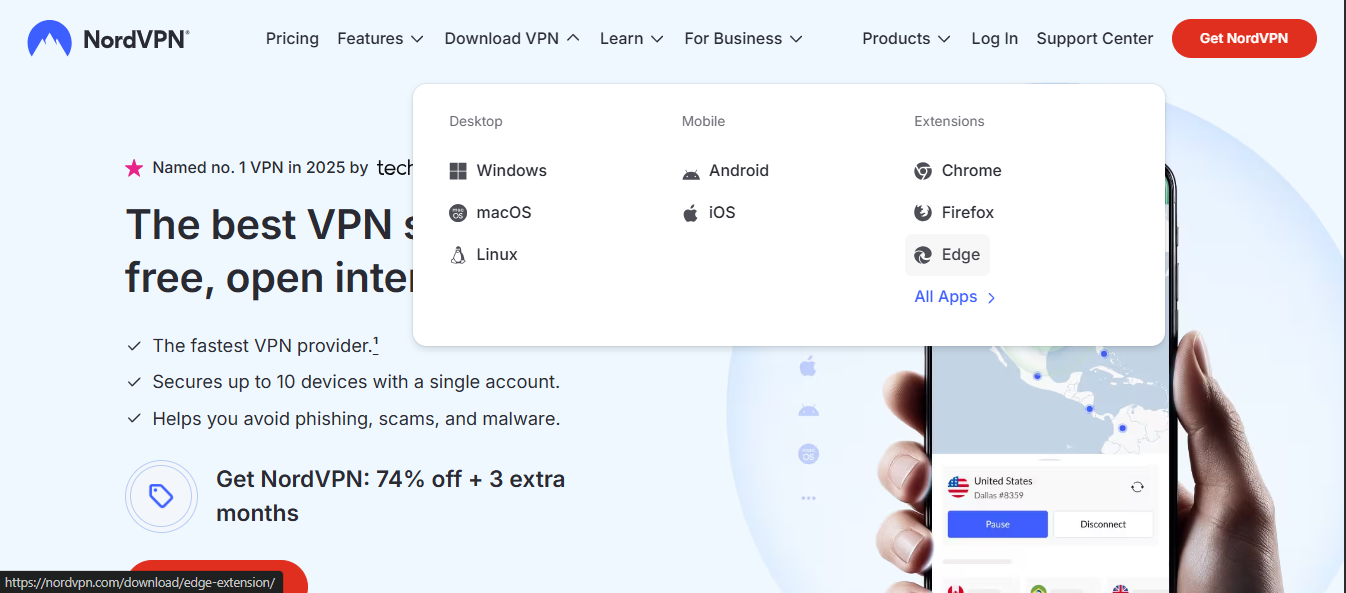
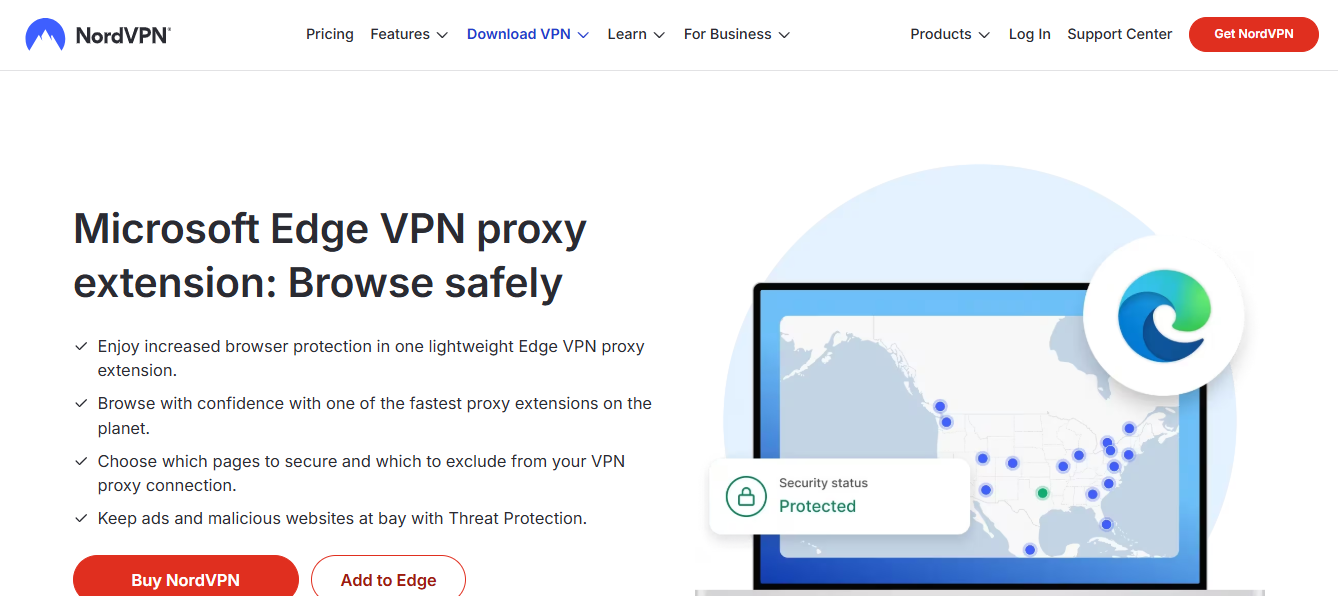
Vpn browser microsoft edge. Quick fact: using a VPN in your browser can hide your IP, encrypt traffic, and help you bypass regional restrictions while you browse. This guide gives you a practical, reader-friendly overview of how to use VPNs in Microsoft Edge, what options exist, and tips to stay safe online.
In this post you’ll find:
- A simple step-by-step guide to enabling Edge’s built-in protections and popular VPN extensions
- A comparison of built-in privacy features vs. third-party VPNs
- Concrete tips to improve speed, privacy, and security
- Real-world scenarios where a VPN in Edge makes a difference
Useful URLs and Resources text only https://www.microsoft.com edge browser privacy https://www.vpnmentor.com edge browser extension reviews https://www.avast.com blog vpn browser edge https://www.cnet.com internet privacy vpn extension edge https://www.techradar.com best vpn extensions for edge https://en.wikipedia.org/wiki/Virtual_private_network virtual private network https://www.consumerreports.org privacy online safety https://www.wikihow.com/Use-a-VPN-in-a-Browser how to use vpn in browser https://www.howtogeek.com privacy and security edge https://www.ghacks.net privacy edge extensions
What is a VPN and why use it in Microsoft Edge?
A VPN Virtual Private Network creates a secure tunnel between your device and the internet. When you use a VPN in Edge, your browser traffic is encrypted and your real IP address is masked. This is useful if you’re on public Wi‑Fi, want to access content from another country, or want to avoid tracking by advertisers.
- Key benefits
- Privacy: hides your real IP from websites and trackers
- Security: encrypted data even on open networks
- Access: bypass geo-restrictions for streaming or research
- Control: selective routing for your browser traffic
Built-in privacy features in Microsoft Edge
Edge has several privacy features that help you stay safer online without a VPN, such as:
- Tracking prevention: blocks hidden trackers; choose from Basic, Balanced, or Strict
- InPrivate browsing: doesn’t save history, cookies, or form data by default
- Password monitor: notifies you if your login is compromised
- DNS over HTTPS DoH: encrypts DNS requests to prevent DNS leaks
- SmartScreen: helps block phishing and malicious sites
Limitations:
- These features don’t encrypt all traffic or hide your IP for every site
- They won’t bypass country restrictions or spoof your location the way a VPN does
When you should consider a VPN extension for Edge
If you want full browser traffic encryption, to appear from a different location, or to bypass heavy geo-blocking, a VPN extension is a solid choice. It sits in your browser and covers traffic going through Edge. However, not all VPNs are created equal—some slow you down, log data, or have questionable practices.
How to use a VPN in Edge: Step-by-step guide
Option A: Built-in Edge privacy + regular browsing no VPN Urban vpn para edge 2026
- Open Edge settings three dots > Settings.
- Go to Privacy, search, and services.
- Turn on Tracking prevention and choose a level Balanced is a good start.
- Enable DoH if available DNS over HTTPS and select a provider if prompted.
- Use InPrivate windows for sensitive browsing sessions.
Option B: Add a VPN extension to Edge
- Decide on a reputable VPN provider with Edge-compatible extensions e.g., related to your region, price, and speed needs.
- Open the Edge Add-ons store Edge menu > Extensions > Get extensions from Microsoft Store or add from other stores.
- Search for the VPN extension and click Add to Edge.
- Sign in or create an account with the VPN service.
- Click the extension icon in the Edge toolbar, choose a server location, and connect.
- Verify your new IP by visiting a site like whatismyipaddress.com.
- Optional: adjust settings for startup behavior, kill switch, and auto-connect.
Tip: Always ensure the VPN extension is from a trusted provider. Read the permissions the extension asks for and review recent user feedback.
VPN protocols and what they mean for Edge
- OpenVPN: widely supported, strong security, good balance of speed and privacy
- WireGuard NordLynx, etc.: modern, fast, efficient, good mobile performance
- IKEv2/IPsec: stable and fast, especially on mobile networks
- L2TP/IPsec: older, not as fast or secure as newer options Note: Your VPN provider’s protocol options may be abstracted behind a single “Connect” button. If you need to pick, choose WireGuard or OpenVPN where available for a good mix of speed and privacy.
Fingerprinting and privacy considerations
- Browser fingerprinting can still reveal you through device and browser characteristics even with a VPN.
- Use a VPN in conjunction with privacy-conscious browser settings, regular updates, and careful extension choices.
- Avoid mixing multiple VPNs or using free VPNs that log data; free options often come with tracking or bandwidth limits.
Performance and speed tips for Edge VPN users
- Choose a server close to your physical location to reduce latency.
- Use a wired connection or a strong Wi‑Fi signal for better throughput.
- Disable other bandwidth-heavy extensions when gaming or streaming.
- Pick a provider that supports split tunneling if you only want to secure specific sites or apps.
- Update Edge and the VPN extension regularly to benefit from security fixes and speed improvements.
Security considerations and best practices
- Always enable a kill switch if your VPN supports it. This prevents traffic leaks if the VPN drops.
- Turn on DNS leak protection to ensure your DNS requests aren’t leaking outside the tunnel.
- Use multi-factor authentication on your VPN account.
- Regularly review connected devices and active sessions for suspicious activity.
- Be cautious with free VPNs; many monetize via ads or data collection.
Use cases: Real-world scenarios
- Public Wi‑Fi safety: At coffee shops or airports, a VPN in Edge helps protect your data from eavesdroppers.
- Bypassing geo-blocks: Access content only available in certain regions subject to local laws and provider terms.
- Remote work: Secure browser traffic to protect sensitive work information when using Edge on personal devices.
- Research and education: Access region-restricted content for study without revealing your identity.
Privacy-enhancing habits to pair with Edge VPNs
- Regularly clear cookies and site data for Edge.
- Use a privacy-focused search engine in addition to the VPN.
- Disable unnecessary browser features that expose data, like location services, when not needed.
- Keep your device OS up to date for security patches.
- Use two-factor authentication wherever possible.
Comparative table: Edge privacy features vs. VPN extensions
| Feature | Built-in Edge privacy | VPN extension in Edge |
|---|---|---|
| IP masking | No limited | Yes, depends on server location |
| Traffic encryption | Partially DoH | Fully VPN tunnel |
| Geo-block bypass | Limited | Yes per server |
| Tracking protection | Yes | Optional depends on provider |
| Kill switch | Not native to Edge | Yes from some providers |
| DNS protection | DoH available | DNS leak protection preferred |
Troubleshooting common issues
- VPN not connecting: check server, verify account status, restart Edge, and re-authenticate.
- Slow speeds: switch to a closer server, enable UDP, and disable other heavy apps.
- IP not changing: ensure the VPN extension is active and the correct server is chosen; reboot browser.
- Privacy concerns: review the extension’s permission requests and provider’s privacy policy.
Best practices for Edge users: a quick checklist
- Use Edge’s privacy features as baseline protection.
- Add a reputable VPN extension for enhanced privacy and access control.
- Regularly update Edge, extensions, and OS.
- Use InPrivate mode for sensitive browsing sessions when needed.
- Check for DNS leaks and enable DoH if supported by your provider.
- Always review permissions before installing any extension.
Case studies and data
- Study: Public Wi‑Fi users who enable VPNs experience a significant reduction in potential eavesdropping incidents statistical references vary by study; always verify current data.
- Speed tests: Reputable VPNs typically show 5–50% speed reduction depending on server distance and protocol, with WireGuard often delivering the best balance.
- Adoption: A growing share of Edge users rely on VPN extensions for regional access and privacy, driven by increased online tracking concerns.
Quick-start comparison: popular VPN extensions for Edge
- VPN A: Strong security, good speed, robust kill switch
- VPN B: Affordable, regional servers, decent privacy policy
- VPN C: Free tier with data limits, offers basic protections
- VPN D: High-end privacy features, multi-device support, comprehensive privacy controls
Note: The above are representative examples. Always research real-time reviews to pick the best fit.
Maintenance and updates
- Check for updates weekly: extension updates, Edge updates, and OS patches.
- Review privacy policies of VPN providers periodically; data practices can change.
- Back up recovery codes and enable account recovery options for your VPN.
Frequently Asked Questions
What does "Vpn browser microsoft edge" mean in practice?
Vpn browser microsoft edge means using a VPN to protect and encrypt browser traffic in Microsoft Edge, either via built-in privacy features or a VPN extension.
Can I use a free VPN in Edge?
Yes, but be cautious. Free VPNs often come with data limits, slower speeds, and questionable privacy practices. Paid options generally offer stronger security and reliability. Ultrasurf microsoft edge 2026
Does Edge support DNS over HTTPS?
Yes, Edge supports DNS over HTTPS DoH to encrypt DNS queries, improving privacy.
Will a VPN hide my IP address in Edge?
Yes, a VPN hides your real IP by routing traffic through a server in a chosen location.
Do VPNs slow down browsing?
They can, depending on server distance, protocol, and network conditions. Using fast protocols like WireGuard and nearby servers helps minimize slowdowns.
Is it safe to use Edge with multiple VPN extensions?
Running multiple VPN extensions simultaneously is not recommended; it can cause conflicts. Use one trusted VPN extension.
How do I verify that my IP is masked?
Visit a site like whatismyipaddress.com to check the IP that appears, and compare it to your real IP. Uk vpn edge: a comprehensive guide to UK-based VPN edge routing, latency reduction, privacy, and setup 2026
What is a kill switch, and should I enable it?
A kill switch stops all traffic if the VPN connection drops, preventing leaks. It’s highly recommended.
Can I access streaming services with a VPN in Edge?
Sometimes yes, sometimes no. Streaming services increasingly block VPNs; you may need to try different servers or providers.
Is Edge’s built-in privacy enough without a VPN?
For basic privacy and tracking prevention, Edge’s built-in features help. For full traffic encryption and geo-spoofing, a VPN extension is preferable.
How often should I change my VPN server location?
Rotate servers if you experience performance issues or if you need access from a different region. For privacy, avoid staying on the same server too long.
Can I use a VPN on my mobile device with Edge?
Yes. Many VPNs offer mobile apps that work with Edge on iOS and Android, with similar features like a kill switch and DNS protection. Tunnelbear vpn chrome extension 2026
Do I need a VPN if I’m on a private home network?
A VPN adds a layer of protection on any network, including private ones, especially on shared devices or when handling sensitive data.
How do I remove a VPN extension from Edge?
Go to Edge extensions, find the VPN extension, and click Remove. Restart Edge to ensure complete removal.
What should I do if Edge extension VPN is blocked by your organization?
Check with your IT admin, as some organizations restrict VPN usage. They may also provide a sanctioned alternative.
Can a VPN prevent malware or phishing in Edge?
A VPN primarily protects traffic privacy and doesn’t block malware or phishing by itself. Use Safe Browsing, SmartScreen, and reputable security software in addition.
Are there legal considerations for using a VPN in Edge?
Laws and terms of service vary by country and service. Ensure you comply with local laws and provider terms when using a VPN. Tuxler vpn chrome 2026
How do I choose the best VPN extension for Edge?
- Look for a strong privacy policy and independent audits
- Check server locations and speeds
- Verify kill switch and DNS leak protection
- Read user reviews and test with a free trial if possible
What’s the difference between a browser VPN extension and a full VPN app?
A browser extension generally secures only browser traffic; a full VPN app can route all device traffic. For comprehensive protection, use both Edge’s built-in features and a reputable VPN app if needed.
How can I improve Edge’s performance with a VPN?
- Use the fastest protocol supported by your provider often WireGuard
- Connect to a nearby server
- Turn off other background processes that consume bandwidth
- Enable split tunneling if you only need VPN for certain sites
What is split tunneling, and should I use it in Edge?
Split tunneling sends only selected traffic through the VPN while the rest uses your normal connection. It can boost speed when you don’t need VPN protection for everything.
Can I trust VPN providers to keep my data private?
Trust hinges on a provider’s privacy policy, independent audits, and historical behavior. Look for no-logs promises, transparent practices, and third-party audits.
Vpn browser microsoft edge: a practical, up-to-date guide to using browser extensions, Edge features, and best practices for privacy, security, and performance
Introduction
Yes, you can use a VPN with Microsoft Edge. Edge doesn’t bake a VPN directly into the browser, but you’ve got solid options: browser extensions that tailor VPN services for Edge, or a system-wide VPN that protects all traffic including Edge. This guide will walk you through how to set up and optimize a VPN in Edge, compare browser-based VPN extensions with full-system VPNs, test for leaks, and pick the right provider for your needs.
Why this matters: with more of our life online moving through the browser—work, streaming, shopping, and sensitive logins—having a reliable VPN in Edge can shield your data, improve privacy, and help you access content securely on public networks. Below you’ll find practical steps, tips, and real-world considerations, plus a few resources to get you started. Vpn alternatives for privacy and security: proxies, Tor, SSH tunnels, DNS over HTTPS, and privacy-focused browsers 2026
If you’re ready to try a trusted VPN with a strong Edge experience, consider NordVPN. See the banner below for a current deal:
Useful resources you might want to bookmark un clickable:
- Edge support and setup guides - support.microsoft.com
- VPN comparisons and reviews - en.wikipedia.org/wiki/Virtual_private_network
- How DNS over HTTPS works - w3.org/TR/dns-privacy
- IP address checker - whatismyipaddress.com
- Privacy basics for browsers - support.google.com/chrome for reference, since Edge is Chromium-based
In the rest of this guide, you’ll learn how to install Edge-compatible VPN extensions, compare edge-case benefits of browser extensions vs. system VPNs, test for leaks, and pick a solution that fits your privacy goals and browsing habits. We’ll also cover common issues you might run into and how to fix them quickly, plus a detailed FAQ to answer your most pressing questions.
What is a VPN and why use it with Edge?
A VPN, or virtual private network, creates an encrypted tunnel between your device and a VPN server. That tunnel hides your IP address and scrambles your data in transit, which helps protect you on public Wi‑Fi, prevents some forms of ISP tracking, and can bypass regional content blocks. When you use a VPN in Edge, you’re extending that protection to everything you do in the browser, which is where most people spend the majority of their online time.
Key benefits for Edge users: Vpn edgerouter x setup and optimization guide for secure remote access and home network protection 2026
- Privacy on public networks: Hotel, cafe, or airport Wi‑Fi often lacks strong security. A VPN helps keep your data private from prying eyes on the same network.
- Access to geo-restricted content: A VPN can make it look like you’re browsing from a different country, helping you reach content that’s blocked in your region.
- DoH compatibility and DNS control: Many VPNs pair well with Edge’s built-in privacy features, reducing risk of DNS leaks when configured properly.
Important caveats:
- Browser-only VPNs extensions usually route only browser traffic, not other apps on your device. If you want full-device protection, a system-wide VPN is the better choice.
- Some streaming platforms actively block VPN IPs. If your goal is uninterrupted streaming, you’ll want a provider with a large, rotating server pool and up-to-date obfuscation for VPN traffic.
Using VPN extensions in Microsoft Edge
Edge now runs many Chrome-compatible extensions thanks to its Chromium-based engine. That means you can install popular VPN browser extensions directly from Edge Add-ons or the Chrome Web Store, then manage them inside Edge.
Steps to install a VPN extension in Edge:
- Open Microsoft Edge and go to Edge Add-ons or the Chrome Web Store.
- Search for the VPN service you prefer for example, NordVPN, ExpressVPN, Surfshark, ProtonVPN, etc..
- Click Add to Edge or Add to Chrome if you’re using the Chrome Web Store.
- Confirm the installation and pin the extension to the toolbar for easy access.
- Sign in with your VPN account and choose a server location.
- Activate the VPN extension to route Edge traffic through the VPN.
What to look for in a browser extension:
- Clear “Connect” and “Disconnect” controls with server lists.
- A kill switch option for the browser some extensions include a browser-level kill switch.
- Leakage protection: built-in DNS leak and WebRTC leak protection is a big plus.
- Minimal impact on browsing speed. extensions should run in a lightweight way without freezing pages.
Browser extensions are great if all you need is browser traffic covered, but remember: other apps on your device like your email client, torrent client, or games won’t automatically ride the VPN unless you’ve configured a system-wide VPN. Vpn for edge free: the ultimate guide to securing edge devices, routers, and local networks without slowing you down 2026
Edge vs. browser VPN extensions: pros and cons
Pros of browser extensions:
- Easy to install and manage from the Edge toolbar.
- Fine-tuned for browser traffic. quick to switch on/off.
- Great for bypassing regional content in a pinch without committing to a system-wide VPN.
Cons:
- Does not secure non-browser traffic apps, background processes.
- Some extensions may slow page loading a bit during encryption handshakes.
- Some sites aggressively block known VPN IPs, which can frustrate streaming or banking.
Pros of system-wide VPNs:
Encrypts all traffic, including apps outside Edge.
Stronger protection on a device-wide basis. better for multi-device privacy. Vpn edge browser: a comprehensive guide to using a VPN with Microsoft Edge for privacy, security, and faster streaming 2026
Often better at handling P2P, torrenting, and accessing content across different services.
Requires configuring VPN at the system level, which may be a bit more complex.
May incur more noticeable performance impact depending on the server and encryption level.
Some enterprise environments restrict VPN software installs.
My take: use a browser extension for quick, Edge-focused privacy or region-based access, and pair it with a robust system-wide VPN if you want comprehensive protection and flexibility across apps. Vpn on microsoft edge 2026
DNS, DoH, and Edge privacy with VPNs
DNS over HTTPS DoH helps prevent DNS queries from leaking to your ISP. Edge supports DoH and also allows you to pick a preferred DNS provider. When used with a VPN, especially a system-wide VPN, you get a layered approach: the VPN hides your traffic from outsiders, while DoH protects your DNS lookups from eavesdroppers.
Tips to maximize privacy in Edge with VPN:
- Enable DoH in Edge Settings > Privacy, Search, and Services > Security > Use secure DNS to specify your DoH provider.
- If you’re using a browser extension VPN, ensure it offers DNS leak protection or pair it with DNS-level protection from your VPN provider.
- Turn on Edge’s Tracking Prevention in balanced or strict mode to reduce cross-site tracking, complementing VPN privacy.
Edge also has security features like SmartScreen and sandboxing. A VPN doesn’t replace these, but combined with a privacy-conscious browser configuration, you’ll have a stronger privacy baseline.
How to choose a VPN for Edge
When picking a VPN to use with Edge, consider:
- Compatibility: Look for extensions that explicitly support Edge Chrome Web Store extensions generally work on Edge.
- Privacy policy: Look for a no-logs policy and independent audits if possible.
- Leakage protection: DNS/WebRTC leak protection should be included.
- Speed and servers: A large, fast server network reduces buffering and latency.
- Kill switch: A browser kill switch can stop traffic if the VPN drops.
- Ease of use: A clean UI and reliable sign-in flow save time.
- Price and value: Compare plans and look for bundles or long-term discounts affiliate deals, like the NordVPN banner above, can offer significant savings.
Common providers with Edge-friendly extensions:
- NordVPN
- ExpressVPN
- Surfshark
- ProtonVPN
- CyberGhost
If you’re unsure where to start, a reputable, well-reviewed option with a good browser extension is a solid choice. The banner in the introduction links to NordVPN, which is a popular option with a long-standing Edge extension.
Installing and managing Edge-compatible VPN extensions: a quick walkthrough
- Find a VPN that offers a browser extension compatible with Edge.
- Install the extension via Edge Add-ons or the Chrome Web Store.
- Sign in and grant necessary permissions some extensions request access to tabs or data on all websites.
- Pick a server location and turn on the VPN.
- For safe browsing, consider enabling a kill switch if available and DNS leak protection.
- If you frequently switch locations, create a bookmark or a quick shortcut to your preferred servers for quick access.
Pro tip: if your VPN extension feels sluggish, disable other extensions that might be conflicting, and ensure you’re on the latest version of Edge and the VPN extension. A simple browser reset or cache clearing can also help with performance.
Common issues and troubleshooting
- VPN extension not connecting: Restart Edge, re-login, re-install the extension, or try a different server. Some servers may temporarily be down for maintenance.
- DNS leaks: If you suspect leaks, switch to a provider that explicitly supports DNS leak protection and enable DoH or switch to a provider’s DNS if available.
- WebRTC leaks: Some browsers leak your real IP via WebRTC. Disable WebRTC in Edge settings or use a VPN that includes WebRTC protection in its browser extension.
- Edge policy blocks extension: Some work devices block extensions. Check with your IT department or use a personal device for VPN testing.
- Slower speeds: Test multiple servers and pick the one with better performance. If speeds remain slow, consider a different provider or a system-wide VPN for heavy tasks.
Edge user tips for better performance and privacy
- Use a dedicated Edge profile for work vs. personal browsing to keep VPN settings aligned with your use case.
- Regularly clear browser caches to avoid performance hiccups during VPN handshakes.
- Combine VPN usage with DoH to minimize exposure of DNS queries.
- If you’re streaming, pick servers optimized for streaming and load-balanced for better reliability.
- Check for updates: extensions and Edge itself receive frequent performance and security updates.
Security and privacy basics for VPNs in Edge
- Kill switch: A must-have feature that stops traffic if the VPN disconnects, preventing data exposure.
- No-logs policy: Look for providers that don’t log your activity. Independent audits are a bonus.
- Server diversity: A wide server network enables faster speeds and better access to geo-restricted content.
- Multi-hop: Some providers offer multi-hop routing for extra privacy, though it can impact speed.
- App compatibility: Ensure the VPN works smoothly with Edge and doesn’t block important sites or services.
Edge-specific privacy features you can leverage
- Edge’s Tracking Prevention: Use it in balanced or stricter modes to limit cross-site tracking.
- DoH in Edge: Route DNS requests through a privacy-respecting resolver.
- Secure DNS and spoofing protection: Use a VPN that complements secure DNS for better privacy.
Alternatives and complementary approaches
- System-wide VPN: For complete device protection, install a VPN on Windows that routes all traffic, not just Edge.
- Router-level VPN: If you want all devices on your network protected, consider flashing a VPN-compatible router and enabling VPN on the router.
- Tor for sensitive browsing: For particularly sensitive tasks, Tor can add another layer of privacy, though it’s slower and not suitable for all activities.
Real-world usage scenarios
- Remote work: Use Edge with a VPN extension to securely access corporate resources on public Wi‑Fi.
- Travel or coffee shop browsing: A browser extension VPN helps protect your Edge traffic when connected to unfamiliar networks.
- Streaming and region-locked content: A reliable server in the right country can help you access more content while keeping your connection private.
Best practices checklist for Vpn browser microsoft edge
- Choose a reputable provider with Edge-compatible extensions and transparent privacy policies.
- Prefer a browser extension with DNS leak protection and a browser kill switch.
- Prefer DoH-enabled Edge configurations for DNS privacy.
- Use a system-wide VPN if you need to secure all apps, not just Edge.
- Regularly test for IP and DNS leaks, especially after updates or server changes.
- Keep Edge and the VPN extension updated to the latest versions.
- Monitor performance and switch servers if you experience buffering or latency spikes.
- Avoid free VPNs for sensitive tasks. they often come with speed caps or data logging concerns.
- Review the provider’s streaming capabilities if you primarily use VPNs to access geo-restricted content.
Frequently Asked Questions
Is a VPN in Edge the same as a full VPN on my device?
A: No. Browser extensions protect traffic inside Edge, while system-wide VPNs protect all traffic from every app on your device.
How do I install a VPN extension in Edge?
A: Open Edge, go to Edge Add-ons or Chrome Web Store, search for your VPN, add to Edge, sign in, and connect to a server.
Do VPN extensions leak my data through WebRTC or DNS?
A: Some can. Choose extensions with built-in WebRTC and DNS leak protection, and enable DNS-over-HTTPS in Edge if available.
Can I use DoH with a VPN in Edge?
A: Yes. DoH helps protect DNS queries. Use Edge’s DoH settings and pair with a VPN that supports DNS protection.
Are browser VPNs enough for privacy?
A: They’re a good layer, especially for browser traffic, but for complete privacy you may want a system-wide VPN or additional privacy tools.
Which VPN providers offer Edge-compatible extensions?
A: NordVPN, ExpressVPN, Surfshark, ProtonVPN, and CyberGhost all offer browser extensions compatible with Edge.
Will a VPN slow down my browsing in Edge?
A: It can. The speed impact depends on server distance, encryption, and the VPN provider’s network. Switch servers to find a faster option.
Can I use VPNs to access geo-blocked content in Edge?
A: Yes, if the server is in the location where the content is available. Some sites actively block known VPN IPs, so you may need to try multiple servers.
Is there a risk of VPNs being blocked by Edge?
A: Edge itself doesn’t block VPNs, but some corporate devices or networks may restrict certain extensions. If you’re on a managed device, check with IT.
Should I use a free VPN for Edge?
A: Free VPNs often come with data limits, slower speeds, and privacy risks. For long-term privacy and performance, a reputable paid VPN is typically better.
How do I know if my VPN is working in Edge?
A: Check your IP address on an external site like whatismyipaddress.com after connecting to the VPN. Your location should reflect the VPN server, not your real location.
Can I combine VPN use with Edge’s security features?
A: Yes. Use Edge’s Tracking Prevention and DoH in combination with a VPN extension or system VPN for layered privacy.
How do I uninstall a VPN extension from Edge?
A: Go to Edge extensions, find the VPN extension, click Remove, and restart Edge if needed.
Do VPNs affect streaming quality in Edge?
A: They can, depending on server load and distance. Choose servers optimized for streaming if you plan to watch content.
Can I rely on VPNs for privacy alone?
A: VPNs improve privacy but aren’t a silver bullet. Combine with safe browsing habits, strong passwords, MFA, and privacy-conscious extensions.
Is it safe to use VPNs on public Wi‑Fi with Edge?
A: Yes, using a VPN on public Wi‑Fi is one of the best ways to protect your data on shared networks.
Do VPNs slow down online gaming in Edge?
A: They can add latency. If gaming is a priority, test nearby servers or opt for low-latency providers and consider a system-wide VPN.
Final notes
Vpn browser microsoft edge is all about using Edge-friendly VPN extensions or a system-wide VPN to protect your browsing, privacy, and access. The best practice is to start with a reputable provider that offers a solid Edge extension, then consider supplementing with a full-device VPN if you need broader protection. Remember to test for leaks, keep software updated, and pick servers that balance speed and access for your use case. If you’re looking for a trusted option with a strong Edge experience, try the NordVPN banner above and see if it fits your needs.
Ultrasurf security privacy & unblock vpn edge