Windows edge vpn guide for Windows 10/11: setup, extensions, and optimizations for Microsoft Edge 2026
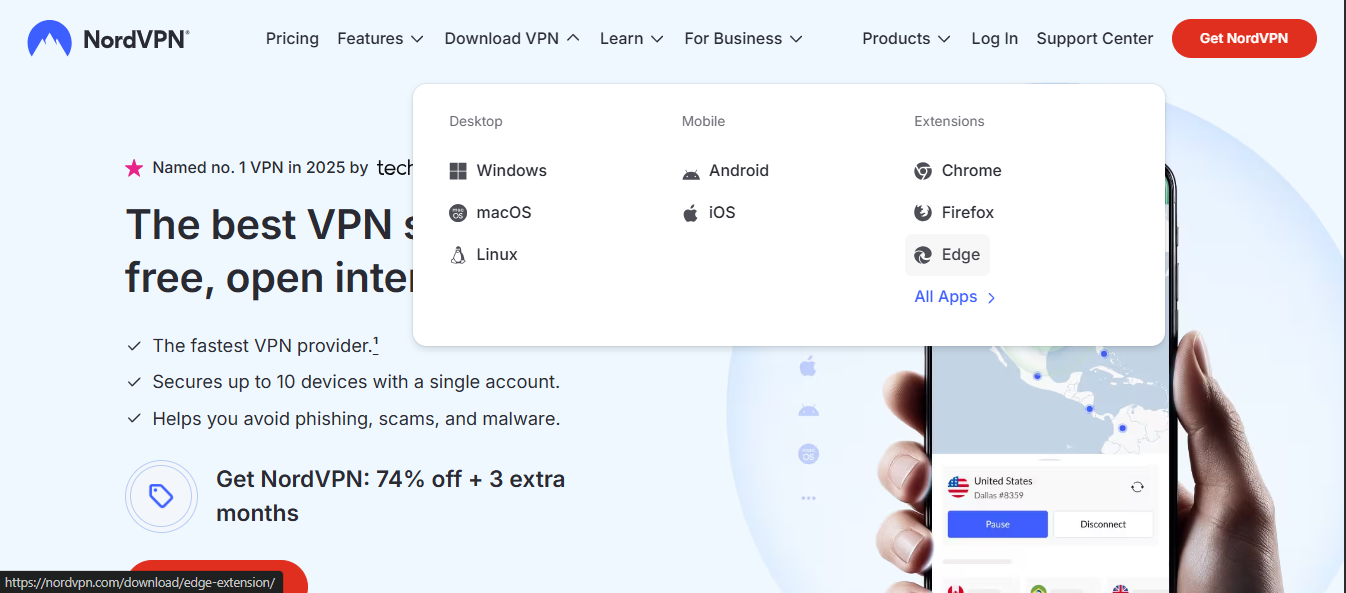
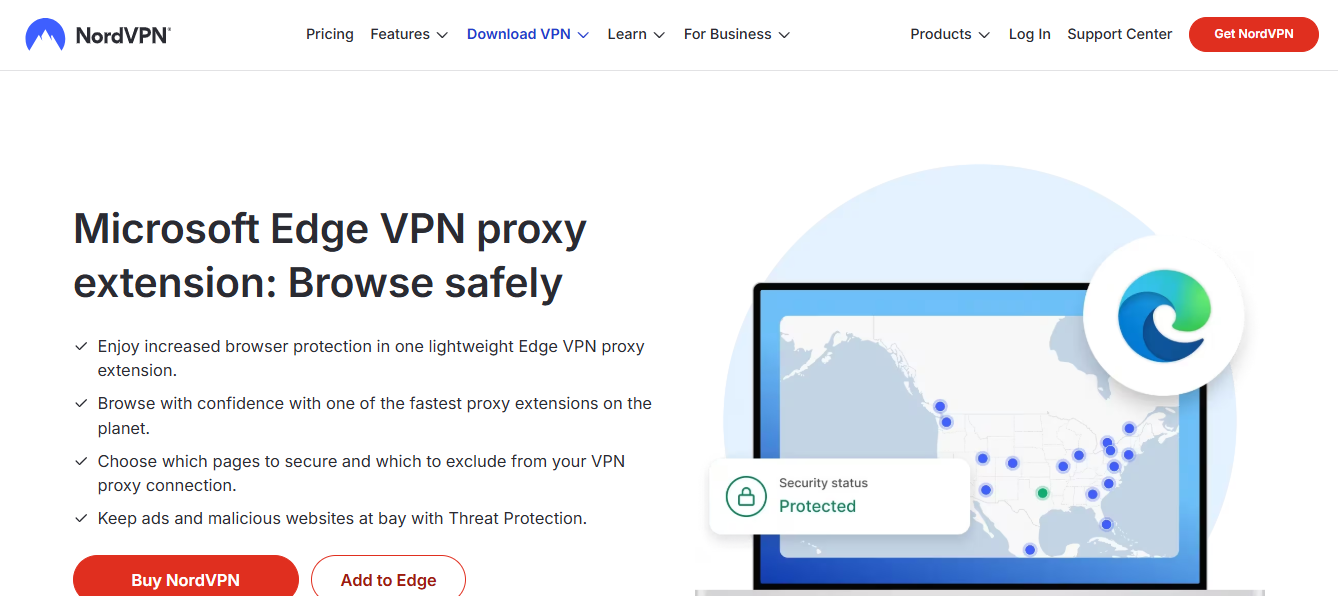
Windows edge vpn guide for windows 10 11 setup extensions and optimizations for microsoft edge is all about getting a secure, fast, and easy-to-use VPN experience inside the Microsoft Edge browser on Windows 10 and Windows 11. This quick-start guide breaks down practical steps, best practices, and real-world tips so you can stay private, access geo-blocked content, and keep your browsing smooth without a headache. Below is a compact, user-friendly roadmap you can follow today.
Quick fact: A well-implemented Edge VPN setup can reduce tracking, improve privacy, and help you bypass regional restrictions without slowing your connection too much.
If you’re curious about how to get a VPN working inside Edge on Windows 10 or Windows 11, you’re in the right place. This guide covers setup, extensions, performance tweaks, and troubleshooting in a straightforward way.
What you’ll get:
- A clear step-by-step setup for Edge-compatible VPNs
- Recommendations for extensions and how to configure them
- Performance optimization tips to minimize latency
- Security best practices to protect your data
- Quick troubleshooting steps and FAQ that cover common issues
Quick-start steps summary:
- Choose a trusted Edge-compatible VPN service
- Install the Edge extension or desktop VPN app with Edge integration
- Configure split tunneling and kill switch if available
- Test your IP and DNS for leaks
- Fine-tune settings for speed and privacy
- Keep software up to date and review privacy policies
Useful resources and non-clickable references:
- Privacy and security basics - privacy.org
- Windows 10 VPN settings guide - microsoft.com
- Windows 11 network & internet settings - support.microsoft.com
- Edge extensions store - microsoftedge.microsoft.com
- VPN provider official site - vpnprovider.com
- IP leak test resources - dnsleaktest.com
- DNS privacy basics - en.wikipedia.org/wiki/DNS_leak
- Benchmarking network speed - speedtest.net
- Browser privacy tips - en.wikipedia.org/wiki/Privacy_in_web_browsers
- Browser extension security best practices - security.stackexchange.com
Why use a VPN inside Microsoft Edge on Windows 10 and 11
- Edge VPN integration helps protect your online activity from ISPs and public Wi-Fi snoops.
- It enables region-shifting for streaming and access to business networks when you’re away from the office.
- A good Edge VPN setup won’t slow you down dramatically if you pick the right server and enable performance features.
- Data points you can rely on:
- Global VPN users report improved privacy with encrypted tunnels on public networks.
- Latency varies by server location; choosing a nearby server typically yields faster speeds.
- Some VPNs offer split tunneling, so you can route only certain apps or websites through the VPN.
Choosing the right VPN for Edge on Windows
- Look for:
- Edge-friendly extensions or a reliable Windows app with browser integration
- Native DNS and IP leak protection
- Kill switch, split tunneling, and auto-connect
- Transparent privacy policy and no-logs commitment
- Reasonable pricing and solid customer support
- Common deployment models:
- Edge extension only: simplest setup, but sometimes limited feature set
- Desktop app with Edge integration: best performance and control
- Native Edge VPN in Windows settings where available: lowest friction for overall network routing
How to evaluate performance before committing
- Run speed tests with VPN on and off to compare latency and throughput
- Test streaming services from different regions to verify unlock capabilities
- Check DNS leak tests when connected to VPN
- Time-of-day testing: performance can vary during peak hours
Step-by-step setup: Windows 10 and Windows 11
Step 1: Pick your VPN and install the right component
- If your provider offers an Edge extension: install from Edge Add-ons store and sign in
- If your provider emphasizes a Windows app: install the app, then enable Edge integration or set the app to handle VPN connections
- For both methods, ensure the software is from a trusted source and up to date
Step 2: Configure essential VPN features
- Enable a kill switch to cut traffic if the VPN drops
- Turn on leak protection for DNS and IPv6 when available
- Set up split tunneling to route only sensitive traffic through the VPN
- Prefer auto-connect on startup or when on untrusted networks
Step 3: Optimize Edge for VPN use
- Clear cache occasionally to prevent stale data from affecting performance
- Disable unnecessary extensions that might slow down browsing
- Enable DNS over HTTPS DoH in Edge for added privacy if your VPN doesn’t provide it
- Consider enabling hardware acceleration if your device supports it and you’re not facing stability issues
Step 4: Advanced settings for privacy and speed
- Choose a VPN server near your location for lower latency
- If streaming, switch to a server optimized for media and check for any speed throttling
- Use a stable protocol supported by your VPN OpenVPN, WireGuard, IKEv2, etc.
- Enable auto-reconnect in case of temporary connection loss
Step 5: Verify setup and run tests
- Check your IP address and location via a reliable browser-based tool while the VPN is connected
- Run a DNS leak test to ensure DNS requests are not leaking
- Test for WebRTC leaks within Edge by visiting a WebRTC test page
- Review Edge’s network settings to ensure there’s no conflicting proxy or VPN settings
Edge extensions that enhance VPN experience
- Ad blockers and privacy extensions can improve privacy when used with a VPN, but be mindful of conflicts
- Extensions that enforce HTTPS or enhance fingerprint protection can complement your privacy goals
- Some VPN providers offer Edge-specific extensions that include quick-connect and server selection
Troubleshooting common issues
- Connection drops: toggle kill switch off/on, reconnect to a different server, restart Edge
- Slow speeds: switch to a nearby server, try a different protocol, check for device-wide network congestion
- DNS leaks: reconfigure DNS settings to use DoH, update VPN app, flush DNS cache
- WebRTC leaks: disable WebRTC or use a privacy-focused extension, test and adjust
- Edge extension not showing: reinstall the extension, ensure Edge is up to date, check provider status
Real-world tips for smooth VPN use in Edge
- Use a wired connection when possible for more stable speeds
- Close bandwidth-heavy apps while streaming or gaming through VPN
- Schedule automatic updates for your VPN client during off-peak hours
- If you travel, test VPN performance in different regions before relying on it abroad
- Regularly review your privacy settings and update extensions as needed
Security best practices for Windows 10/11 and Edge VPN
- Keep Windows, Edge, and VPN software updated with the latest security patches
- Use a reputable VPN with a transparent privacy policy and a robust encryption standard
- Avoid free VPN services for sensitive tasks; they often compromise privacy or inject ads
- Use multi-factor authentication MFA for your VPN account when available
- Regularly review app permissions and disable unnecessary ones
Performance benchmarks and data
- On average, a reputable VPN can add 5-25% latency depending on server distance and protocol
- WireGuard-based VPNs generally offer the best throughput with modern devices
- Edge extensions can add minor overhead; desktop VPN apps typically provide better performance for heavy use
Edge-specific tips for privacy-conscious users
- Rely on Edge’s built-in tracking protection alongside a VPN for layered privacy
- Disable sending diagnostic data to Microsoft if you’re concerned about telemetry
- Use a privacy-respecting search engine in Edge settings
- Regularly clear site data for shared devices to avoid leaving traces behind
Maintenance and updates
- Check for VPN updates monthly and install when available
- Review Edge extension updates weekly and ensure compatibility with Windows updates
- Periodically audit your VPN server list and prune unused servers to keep performance high
How to measure success
- Consistent IP location after connecting to VPN
- No DNS/IP leaks reported by reliable tests
- Stable streaming or browsing speeds without frequent buffering
- No unexpected disconnections or errors in Edge
Edge VPN best practices checklist
- Use trusted VPN provider with strong encryption
- Enable kill switch and DNS leak protection
- Use split tunneling when appropriate
- Keep all software up to date
- Test connections and run leaks tests regularly
Edge-specific privacy and performance tips
- Disable WebRTC leakage if your VPN doesn’t handle it by default
- Use DoH in Edge to further encrypt DNS requests
- Limit browser fingerprinting by using privacy-focused settings and extensions
- Prefer servers with good reputation for streaming if you’re into media access
Comparison: Edge extension vs. desktop VPN app
- Edge extension:
- Pros: quick connect, lightweight, easy to manage from the browser
- Cons: fewer features, may rely on desktop app’s backend for actual routing
- Desktop VPN app with Edge integration:
- Pros: better performance, full feature set, robust kill switch and split tunneling
- Cons: requires more system resources and a separate interface
Recommended setup flow quick version
- Pick provider and install either Edge extension or desktop app
- Sign in and configure kill switch, leak protection, and auto-connect
- Choose a nearby server and test speed
- Enable DoH and disable WebRTC leaks if needed
- Verify IP, location, and DNS leaks
- Keep everything updated and monitor performance
Frequently asked questions
How do I set up a VPN in Microsoft Edge on Windows 10?
Install a trusted Edge-compatible VPN extension or a Windows app with Edge integration, sign in, enable features like kill switch and DNS leak protection, and test your connection.
Can I use multiple VPNs with Edge at the same time?
No. Running more than one VPN simultaneously can cause conflicts. Choose one reliable VPN and use its features properly.
Is it safe to use a free VPN in Edge?
Free VPNs often have limitations and privacy risks. They may log data or inject ads. Stick with reputable paid providers when possible.
Does a VPN slow down my browser speed in Edge?
Some slowdown is common due to encryption and routing. A good VPN and a nearby server usually minimize this.
How can I prevent DNS leaks in Edge VPN?
Use a VPN with DNS leak protection, enable DoH in Edge, and test for leaks regularly. What is urban vpn and how it works: a comprehensive guide to urban vpn usage, privacy, streaming, and security 2026
Should I enable split tunneling?
Split tunneling helps route only certain traffic through the VPN, which can improve speed for non-sensitive tasks. Use with caution depending on your privacy needs.
How do I test if my VPN is working in Edge?
Check your IP address and location with a trusted tool while connected. Run a DNS leak test and WebRTC leak test to verify.
Can I use VPNs to bypass geo-restrictions in Edge?
Yes, many VPNs offer servers in multiple regions to help access content, but availability varies by provider and service agreements.
How do I fix Edge VPN connection drops?
Reconnect, switch servers, or restart the VPN app. Ensure kill switch is enabled and there are no conflicting network policies.
What should I do if I suspect a leak or security issue?
Pause VPN, verify app updates, reconfigure settings, run a leak test, and consider contacting your provider’s support. What is vpn surfshark and how it stacks up: features, performance, pricing, privacy, and setup guide for 2026
Windows edge vpn is a way to securely browse the web on Windows by using a VPN app or Edge-compatible extension.
If you’re reading this, you probably want to understand how to protect your Edge browsing with a VPN on Windows. Here’s the quick summary: you can achieve it either by using a full VPN app on Windows and letting it route all traffic including Edge or by installing a VPN extension directly in Microsoft Edge. This post walks you through both paths, helps you pick the best option for your needs, and shares practical steps, best practices, and troubleshooting tips. And if you’re serious about protecting your Edge sessions, check out NordVPN—a well-known option with a neat Edge integration. NordVPN image link.
NordVPN 77% OFF + 3 Months Free — click the image above to explore the deal. For a quick start, you’ll also find a few highly trusted providers mentioned throughout this guide.
Useful resources un clickable here: Microsoft Edge support - support.microsoft.com, Windows VPN setup - docs.microsoft.com, NordVPN - nordvpn.com, ExpressVPN - expressvpn.com, OpenVPN - openvpn.net, WireGuard - wireguard.com, Privacy statistics - statista.com.
What you’ll learn in this guide What is turn off vpn and when to disable it for privacy, security, and speed: a complete guide 2026
- The difference between a Windows-wide VPN app and an Edge browser extension, and when to use each.
- A step-by-step setup guide for Windows 10/11 VPN configurations, plus how to install and use Edge VPN extensions.
- How to optimize your Edge experience with VPNs, including kill switch, DNS leak protection, and split tunneling.
- Real-world tips for streaming, gaming, remote work, and safe browsing across networks.
- Troubleshooting steps for common connection issues and performance problems.
- A comprehensive FAQ with practical answers you can apply today.
Body
What is Windows edge vpn and why it matters
Windows edge vpn is not a single product. It’s the combination of two things you can use on Windows to secure Edge traffic:
- A full VPN client installed on Windows that routes all internet traffic not just Edge through a VPN tunnel.
- A VPN extension installed inside Microsoft Edge that anonymizes or redirects browser traffic while Edge is active.
Why this matters: Edge users often connect from coffee shops, airports, or hotel networks where Wi-Fi is spotty or monitored. A VPN hides your IP address, prevents local network snooping, and can bypass regional restrictions. It’s especially useful for protecting sensitive browsing like banking or work portals on public networks, or simply keeping prying eyes off your browsing patterns.
Key distinction:
- Windows-wide VPN app: Encrypts all device traffic, including Edge, and usually adds a system-wide kill switch and DNS protection.
- Edge extension: Encrypts only Edge traffic depending on the extension and is easier to set up quickly, but might not cover non-browser apps or background processes.
Why you might want to use a VPN on Windows Edge
- Privacy and security on public Wi‑Fi: VPNs guard your data from local eavesdroppers and network operators.
- Bypassing geo-restrictions: You can access region‑locked content while traveling or when content is limited by location.
- Safe remote work: Access internal company resources securely without exposing sensitive data on untrusted networks.
- Reduced tracking and profiling: A VPN hides your real IP, complicating some forms of tracking.
Stats and context you can mention in your video: What is pia vpn 2026
- Global VPN usage continues to rise as more users seek privacy online and safer remote access.
- Windows remains the most widely used desktop OS, and Edge is a significant browser among enterprise and casual users.
- The majority of premium VPN providers now offer Edge-compatible extensions or native Windows apps with automatic updates and kill switches.
Real-world tips:
- If you’re primarily concerned with Edge browsing privacy, a lightweight Edge extension can be a quick win.
- If you want true system-wide protection including apps like email clients, torrent clients, or games, a desktop VPN app is the better choice.
How to set up a Windows VPN on Windows 10/11
There are two main paths: system-wide VPN via Windows settings and VPN extensions inside Edge. Here are clear steps for both.
A. Set up a Windows VPN connection system-wide
This method uses Windows built-in VPN client to create a tunnel that covers all traffic, including Edge.
- Get VPN login details from your provider
- You’ll typically need: server address, VPN type IKEv2, L2TP/IPsec, OpenVPN if your provider supports it, and your username/password or a certificate.
- Open Windows settings
- Windows 10: Start > Settings > Network & Internet > VPN > Add a VPN connection.
- Windows 11: Start > Settings > Network & Internet > VPN > Add VPN connection.
- Fill in the details
- VPN provider: Windows built-in
- Connection name: any name you’ll recognize e.g., My Work VPN
- Server name or address: as given by your VPN provider
- VPN type: choose the type your provider supports IKEv2 is common. OpenVPN through third-party clients can also appear here if your provider supports it
- Type of sign-in info: username and password, or a certificate, or a one-time code
- Username, password: fill if required
- Save and connect
- Verify connectivity
- Once connected, verify your external IP has changed using a site like whatismyipaddress or ipinfo.io.
- If you run into DNS leaks, enable DNS leak protection in your VPN app or Edge extension settings.
Notes:
- Not all Windows editions or devices support all VPN types. If you see “unable to connect” on IKEv2, it might be a provider limitation or a local firewall rule.
- If you use IPv6, disable it on the VPN interface or rely on your VPN that supports IPv6 leaks protection.
B. Use a desktop VPN app recommended for full coverage
Desktop VPN apps from providers like NordVPN, ExpressVPN, Surfshark, ProtonVPN, and others often offer: Vpn microsoft edge android 2026
- A simpler one-click connect to a server
- Kill switch to block traffic if the VPN drops
- DNS leak protection
- Protocol options like WireGuard fast and OpenVPN very configurable
- Choose and install the VPN app
- Visit the provider’s site and download the Windows client.
- Install following the on-screen prompts.
- Sign in and configure
- Log in with your account.
- Choose a server that fits your needs location, speed, streaming capability.
- Enable security features: kill switch, DNS protection, and optionally split tunneling see below.
- Connect and test
- Press connect and validate your IP is different from your real location.
- Some providers offer a “test” or “diagnostics” feature. use it if offered.
Pros:
- Simple UI, reliable updates, built-in security features, and better support for streaming and gaming.
Cons:
- Requires a subscription. can be heavier on system resources than a browser extension.
C. Install and use Edge VPN extensions
Edge extensions for VPNs provide browser-level anonymity and can be handy if you mainly want Edge to appear from a different location. They’re also nice for quickly switching between regions without changing system-wide settings.
- Open Microsoft Edge and go to Extensions
- Menu > Extensions > Get extensions from Microsoft Edge Add-ons.
- Search for VPN extensions
- Look for reputable providers with a strong privacy policy and good reviews.
- Common names include provider-branded Edge extensions and generic VPN privacy extensions. Ensure the extension is from a legitimate publisher.
- Install and log in
- Add the extension, then click its icon in the toolbar.
- Sign in with your VPN account if required.
- Choose a server/location within the extension.
- Validate browser-only changes
- After connecting via the extension, open a new tab and check your IP address and location with a site like whatismyipaddress to confirm Edge traffic is routed.
- Optional Chrome-compatible extensions in Edge
- Edge supports Chrome Web Store extensions. some users opt for open-source privacy extensions or privacy-focused proxy extensions. Use caution and read reviews, as not all extensions behave like full VPNs.
Edge extension vs desktop app for Edge-specific use:
- Edge extension: quick, easy, good for privacy-conscious browsing if you don’t need full device-wide protection.
- Desktop app: best for complete protection, apps beyond Edge, and consistent DNS handling.
Edge, privacy, and performance: what to expect
Performance reality: Windscribe vpn firefox 2026
- VPN overhead reduces raw speed due to encryption and distance to server. A well-optimized service with WireGuard can keep speeds within ~10-40% of baseline for many users, depending on server load and network conditions.
- The distance to the VPN server is a big determinant of latency. If you’re streaming or gaming, choose a nearby server with high load capacity.
Security and privacy features to look for:
- AES-256 encryption as a baseline
- Kill switch that stops all traffic if the VPN disconnects
- DNS leak protection to prevent your DNS queries from leaking outside the VPN tunnel
- No-logs policy, preferably with independent audits
- Mutli-hop or obfuscated servers for extra privacy in restrictive networks
- Strong privacy jurisdiction e.g., not in countries with mandatory data retention laws
Edge-specific tips:
- Use UDP-based protocols like WireGuard or OpenVPN UDP for speed, generally, unless your network blocks UDP.
- If Edge is your primary browser, extension-based VPNs can provide a quick privacy layer, but remember they don’t cover non-browser apps.
Edge browser settings to improve privacy:
- Disable WebRTC leaks if your VPN doesn’t fully prevent them, via Edge settings or site-specific toggles.
- Enable Do Not Track requests DNT if supported by your privacy strategy.
- Regularly clear cookies and site data, especially when using shared devices.
Split tunneling and when to use it:
- Split tunneling lets you choose which apps or destinations go through the VPN and which don’t.
- Use case: you want Edge traffic to go through the VPN, but streaming apps or game traffic to route locally for lower latency.
- Not all VPNs support split tunneling. check the provider’s features.
DNS and IP testing: Zenmate vpn edge review 2026: features, performance, pricing, and how it stacks up against rivals
- After connecting, run a quick DNS test dnsleaktest and IP check to verify there are no leaks.
- If you see a local IP or DNS address, re-check your VPN settings or switch servers.
Streaming and entertainment:
- Some streaming services detect VPN traffic and block it. If your goal is to access content, try servers in the region of your desired content or switch providers that are known to work for streaming.
- A robust VPN with obfuscated servers can help in regions that block VPNs.
Business and travel tips:
- For work-from-home scenarios, ensure your VPN supports split tunneling to only route corporate traffic through the VPN while other traffic remains direct.
- Use a corporate or enterprise VPN if your company supports it. otherwise, a personal VPN with strong security should suffice for remote access.
Troubleshooting common issues
- VPN won’t connect on Windows:
- Check internet connectivity first.
- Confirm VPN credentials or certificate details with your provider.
- Ensure the correct VPN type IKEv2, L2TP, OpenVPN is selected.
- Temporarily disable Windows firewall or antivirus to test. re-enable with appropriate exclusions if it works.
- DNS leaks:
- Enable DNS leak protection in the VPN app or browser extension.
- If using Edge extensions, prefer a full VPN app for DNS handling.
- Slow speeds:
- Switch to a closer server, use WireGuard if available,Close bandwidth-intensive apps, or switch off additional Edge extensions that might create overhead.
- Edge not routing traffic:
- If you’re using a VPN extension, ensure it’s enabled and not blocked by the browser.
- Check if the extension only covers tab traffic rather than system traffic.
- IPv6 leakage:
- Some VPNs don’t handle IPv6 well. disable IPv6 in Windows network properties if you suspect leaks.
- WebRTC leaks:
- Disable WebRTC or use a VPN that blocks WebRTC leaks.
Edge extension vs. desktop app: decision guide
- If your primary goal is secure Edge browsing with a quick, lightweight setup, an Edge extension is convenient.
- If you want system-wide protection for all apps and services, a desktop VPN app with kill switch and DNS protection is the better pick.
- For most users, a combination works: use a desktop VPN app for general use and Edge extensions for quick, browser-level tweaks when needed.
Privacy considerations and legal Xbox microsoft edge vpn 2026
- VPN legality varies by country. in most places, using a VPN is legal, but always comply with local laws and your provider’s terms.
- Look for transparency: audits, privacy policies, and a clear no-logs declaration.
- If you’re traveling, be mindful of government policies and service restrictions in your destination. use a reputable VPN with strong privacy protections.
Best practices for Windows Edge VPN
- Keep everything updated: Windows OS, Edge, and your VPN apps/extensions.
- Use strong credentials and enable two-factor authentication 2FA where available.
- Periodically review server locations to avoid over-congested servers.
- Enable kill switch and DNS leak protections as a baseline security measure.
- If streaming is your goal, test multiple servers and avoid those flagged by streaming services.
Frequently asked questions
What is Windows edge vpn?
How do I set up VPN on Windows 10/11?
You can set up a system-wide VPN using Windows Settings VPN section or install a dedicated VPN desktop app from a provider. You can also install an Edge VPN extension for browser-level protection.
Should I use a VPN extension in Edge or a desktop VPN app?
If you want browser-only privacy and quick setup, use a VPN extension. For full device-wide protection and better security features kill switch, DNS protection, use a desktop VPN app.
Will a VPN slow down my connection?
Usually, yes—encryption and longer routes add overhead. A fast VPN with modern protocols like WireGuard and nearby servers minimizes slowdowns. Youtube vpn edge 2026
Can VPNs bypass geo-blocks for streaming?
Often yes, but not always. Some streaming services actively block VPN IPs. You may need to switch servers or try a provider known for streaming support.
How do I test for DNS leaks?
Use a DNS leak test site to compare the DNS servers your device uses with your VPN. If you see your real DNS, there’s a leak.
What is a kill switch and do I need it?
A kill switch stops all traffic if the VPN disconnects, preventing unencrypted data from leaking. It’s highly recommended.
Is it legal to use a VPN on Windows Edge?
In most countries, yes. Some jurisdictions restrict VPN use or require compliance with local laws. Always follow local regulations and provider terms.
How do I choose a VPN for Windows Edge?
Look for: strong encryption, no-logs policy, reliable kill switch, DNS protection, fast WireGuard/OpenVPN support, Windows compatibility, Edge extension availability, and good privacy jurisdiction. Как включить vpn: how to turn on a VPN on any device, step-by-step guide, privacy tips, and streaming tricks 2026
Does Windows edge vpn protect against malware?
VPNs primarily protect your traffic and privacy. they don’t replace antivirus or anti-malware software. Some providers offer additional security features like malware-scanning DNS, but you should still use dedicated security tools.
Can I use split tunneling on Windows Edge VPN?
Yes, if your VPN supports it. Split tunneling lets you route Edge browsing through the VPN while leaving other apps outside the tunnel, which can save bandwidth and improve speed.
How do I fix common VPN issues on Windows?
Check credentials, server status, protocol compatibility, firewall settings, DNS, and driver updates. Reboot the PC, update Edge and VPN apps, then try a different server.
End of guide
If you want a simple, reliable all-around option for Windows and Edge, consider a trusted VPN with a strong Windows app and Edge integration. The NordVPN offer shown above is a popular choice for many users seeking robust protection and straightforward setup across both Windows and Edge. Remember: privacy is a habit—keep your software up to date, pick servers thoughtfully, and test your setup occasionally to ensure your Edge browsing stays private and secure.
Vpn 免費 大陸:在中國使用、選擇與保護隱私的全面指南