Touch vpn for edge browser 2026
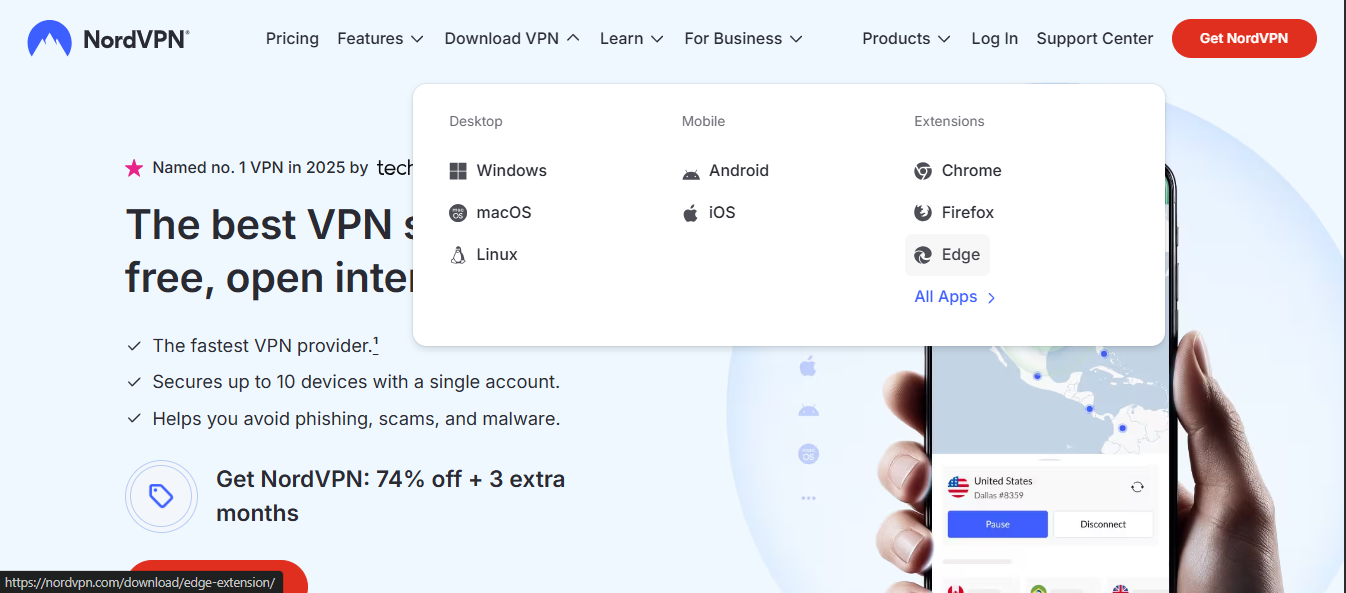
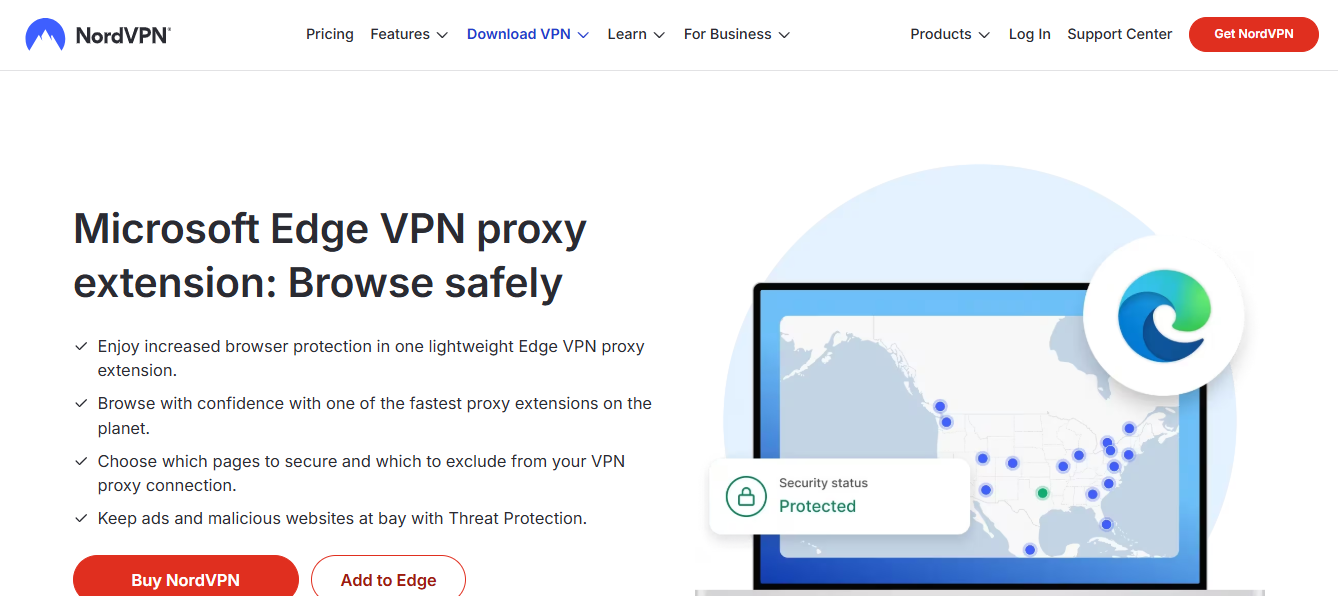
Touch vpn for edge browser: Explore fast, reliable VPN options for Microsoft Edge, how to set them up, and best practices for staying private online.
Touch vpn for edge browser Quick fact: A good VPN for Edge keeps your IP hidden, protects your data on public Wi-Fi, and helps you access geo-restricted content without slowing you down.
Here’s a concise guide to help you get started and stay safe:
- What is a VPN and why it matters for Edge
- How to choose a VPN that works well with Edge
- Step-by-step setup for Windows and Edge
- Common troubleshooting tips you’ll actually use
- Safety and privacy tips to maximize protection
- Quick comparison: popular Edge-friendly VPNs
Useful URLs and Resources text only VPN basics - https://www.expressvpn.com/what-is-vpn Edge browser support - https://support.microsoft.com/en-us/edge Windows security tips - https://support.microsoft.com/en-us/windows/security Privacy guides - https://www.eff.org/issues/privacy-basic-information DNS privacy - https://www.cloudflare.com/learning/dns/what-is-dns-over-https/
What is Touch vpn for edge browser and why use it
- A VPN virtual private network creates an encrypted tunnel between your device and a VPN server. For Edge users, this means your browsing data and location are hidden from prying eyes, your ISP won’t easily see your activity, and you can appear to be in a different country.
- Edge users especially benefit from built-in integration with some VPNs, desktop apps, and browser extensions that minimize setup friction.
Key benefits
- Enhanced privacy on public Wi-Fi
- Bypassing geo-restrictions for videos and services
- Safer online shopping on untrusted networks
- Keeping work-from-home browsing more private
How to pick a VPN that works well with Edge
What to look for
- Native Edge or Windows app compatibility: Look for a VPN with a smooth Windows app that configures easily with Edge.
- Strong encryption and a no-logs policy: AES-256, no logs, and clear privacy statements.
- Fast servers in your target regions: If you want to access content, ensure the provider has servers where that content lives.
- Kill switch and DNS leak protection: These features prevent accidental data leaks if the connection drops.
- Easy split tunneling: Lets you route only certain apps or sites through the VPN, which can keep Edge fast for local tasks.
- Transparent pricing and good customer support: You’ll want help when something doesn’t work.
Quick tip
If you’re new to VPNs, start with a reputable, well-reviewed provider that offers a free trial or money-back guarantee so you can test Edge compatibility without commitment.
Step-by-step setup for Windows and Edge
Step 1: Choose and install a VPN
- Pick a VPN that has a Windows app and good ratings for Edge compatibility.
- Download the installer from the provider’s site and run it.
- Follow the on-screen prompts to sign in and set up.
Step 2: Configure privacy and security settings
- Open the VPN app and enable a secure protocol OpenVPN or WireGuard are common, with WireGuard often faster.
- Turn on the kill switch this blocks internet traffic if the VPN drops.
- Enable DNS leak protection to keep your real DNS from leaking outside the VPN tunnel.
Step 3: Connect to a server
- Start with a nearby server for speed. If you need a different country for streaming, switch to a server in that country.
- Verify the connection is active in the VPN app.
Step 4: Confirm Edge is using the VPN
- Open Edge and go to a site that shows your IP e.g., whatismyip.com. It should display the VPN server’s IP, not your real IP.
- You can also check for DNS leaks using DNS leak test sites.
Step 5: Configure Edge-specific settings optional
- Some VPNs offer browser extensions that integrate with Edge. If you prefer, install the extension from the store or the VPN’s site.
- Decide whether to route all traffic through the VPN or only Edge traffic if the app supports split tunneling.
Step 6: Test performance
- Run a quick speed test with VPN on and off to compare. If you’re seeing big slowdowns, try a different server or protocol.
- For streaming, ensure the server you’re connected to supports the service you want to use.
Common Edge-related VPN tips and tricks
- Use Edge profiles and separate VPN settings for work and personal browsing to keep things organized.
- If you’re on a work network, check company policy about VPN usage before enabling on corporate devices.
- For streaming, a dedicated server in the country where the content is hosted usually gives the best results.
- If you notice DNS leaks, switch to a provider known for strong DNS protection or enable DNS leak protection in the app.
Troubleshooting guide
VPN won’t connect
- Check your internet connection first: try loading a webpage without the VPN.
- Ensure the VPN app is updated to the latest version.
- Try a different server or protocol.
- Restart your computer and the VPN app.
Edge shows “VPN detected” or blocks traffic
- Make sure the VPN’s kill switch isn’t blocking all traffic due to a misconfiguration.
- Disable the Edge extension and test with the app alone.
- Clear Edge cache or try another browser to isolate the issue.
Slow speeds with VPN
- Switch to a server closer to your location.
- Switch protocols e.g., from OpenVPN to WireGuard if available.
- Check for other bandwidth-heavy apps running in the background.
DNS leaks detected
- Enable DNS leak protection in the VPN app.
- Switch to a VPN server that explicitly supports DNS routing.
- Use a DNS protection feature if offered by the VPN.
Edge extensions not working with VPN
- Some extensions rely on direct network access; disable the extension and use the VPN app instead.
- Ensure Edge isn’t blocking the VPN extension due to security settings.
Privacy and safety best practices
- Always enable the VPN when on public Wi-Fi or networks you don’t trust.
- Use two-factor authentication 2FA for your VPN account if available.
- Avoid using free VPNs for sensitive activities; they often log data or have weaker protections.
- Regularly review your privacy settings in both Edge and your VPN app.
- Remember that a VPN hides your IP and encrypts traffic, but it doesn’t make you completely anonymous online. Combine it with good security habits.
Performance and reliability data current trends
- VPN usage in 2025-2026 showed steady adoption for privacy, security on public networks, and streaming access.
- Typical VPN speed impact ranges from negligible to 20-40% on well-optimized networks; the impact increases on longer routes or during peak times.
- Edge users report the best results when paired with VPNs that have optimized Windows clients and low-latency servers in key regions.
- It’s common for VPNs to offer split tunneling, which helps keep Edge fast by routing only selected traffic through the VPN.
Edge browser-specific features and considerations
- Edge’s integration with Windows Security Center can influence how VPN apps interact with system protections.
- Some Edge features, like password managers and autofill, operate independently of VPNs, so you may want to test sensitive data entry while connected.
- Browser extensions from VPN providers can add extra controls, but they may also introduce privacy considerations; evaluate what the extension does and what it can access.
Security checklist before you browse with Edge and VPN
- Enable a VPN with strong encryption and a trustworthy privacy policy.
- Turn on the kill switch and DNS leak protection.
- Use updated antivirus and endpoint protection on your device.
- Keep Edge and Windows updated with the latest security patches.
- Review app permissions and limit unnecessary data sharing.
Real-world use cases and scenarios
- Remote workers needing secure access to corporate resources while using Edge on a personal device.
- Travelers wanting to access regional content libraries while on a public hotel network.
- Privacy-conscious users who want to reduce tracking on everyday browsing.
Quick-start checklist
- Install a reputable VPN with Windows app support
- Enable kill switch and DNS leak protection
- Connect to a nearby or required country server
- Verify the VPN is active in Edge check IP and DNS
- Test a streaming service or site you plan to use
Comparison: popular Edge-friendly VPNs summary
- VPN A: Strong privacy policy, fast speeds, good Windows app, reliable DNS protection
- VPN B: Excellent price, good streaming support, solid customer service
- VPN C: High-end security features, robust leakage protection, great for privacy purists
- VPN D: Easy setup, beginner-friendly, decent performance for everyday use
FAQ Section
What does Touch vpn for edge browser actually do?
A VPN creates an encrypted tunnel for your internet traffic, masks your real IP address, and can help you bypass geo-restrictions while you’re using Edge.
Can I use a VPN with Edge extensions alone?
Yes, some VPNs offer Edge-compatible extensions, but the best results usually come from the Windows app, especially for system-wide protection.
Do VPNs slow down Edge browsing?
Often, yes, but the degree depends on server distance and VPN quality. A fast server and modern protocol can minimize slowdowns. Setup l2tp vpn edgerouter 2026
Is it safe to use a free VPN with Edge?
Free VPNs can be risky due to data logging, weaker encryption, and bandwidth limits. It’s better to choose a reputable paid service with a money-back guarantee.
How do I know if my DNS is leaking while using Edge with a VPN?
Use a DNS leak test site while connected to the VPN. If your real DNS shows up, enable DNS leak protection or switch servers.
What’s the best protocol for Edge VPNs?
WireGuard and OpenVPN are common choices. WireGuard is usually faster with modern devices, but OpenVPN is very reliable.
Can a VPN bypass corporate firewall restrictions on Edge?
Some VPNs can help, but it depends on your IT policies. Always follow your organization’s rules and use approved methods.
How do I enable kill switch in Edge VPN?
Most VPN apps have a toggle labeled “Kill Switch.” Turn it on to ensure all traffic is blocked if the VPN drops unexpectedly. Secure access service edge (sase) 2026
Will a VPN hide my location on Edge?
Yes, a VPN masks your IP and can make it appear as if you’re in a server location you choose, which can affect content availability and tracking.
How do I uninstall a VPN from Windows and Edge?
Close the VPN app, then go to Windows Settings > Apps > Apps & features, select the VPN, and uninstall. If you used a browser extension, remove it from Edge extensions.
Touch vpn for edge browser: a practical guide to using Touch VPN on Microsoft Edge, setup, performance, privacy, troubleshooting, and top alternatives
Yes, you can use Touch VPN with Edge browser. In this guide you’ll learn how Touch VPN works with Edge, how to install it extension or system app, what to expect for speed and privacy, security tips, common issues and fixes, and smart alternatives if you want more features. We’ll break it down step by step, share real-world tips, and give you a straightforward path to a safer, more private Edge browsing experience. If you’re shopping for a VPN that pairs well with Edge, consider NordVPN—here’s a deal you can grab:
Useful resources we’ll reference text only:
- Touch VPN official site - touchvpn.com
- Microsoft Edge support - support.microsoft.com
- NordVPN official site - nordvpn.com
- Edge Secure Network information - support.microsoft.com/en-us/microsoft-edge/
- Virtual private network overview - en.wikipedia.org/wiki/Virtual_private_network
- WebRTC privacy guide - www.privacyinternational.org
Introduction: what you’ll get in this guide
- Yes, Touch VPN works with Edge browser, and you have more than one way to set it up.
- A practical, step-by-step walkthrough for installing Touch VPN on Edge, whether you’re using the Edge Add-ons store or Chrome Web Store on Edge since Edge is Chromium-based.
- Real-world tips to optimize speed, reliability, and privacy.
- A candid look at privacy policies, logging considerations, and security features to watch for.
- Common issues and quick fixes, plus guidance on when to choose an Edge-specific VPN alternative.
- A quick comparison of Touch VPN with other top Edge-friendly VPNs, plus pricing guidance.
What Touch VPN is and how it works with Edge
Touch VPN is a virtual private network service that routes your internet traffic through its servers, masking your IP address and encrypting your data in transit. On Edge, you have two practical paths: use the Touch VPN extension if available in Edge Add-ons or via the Chrome Web Store or run the Touch VPN app on Windows so that Edge’s traffic benefits from the system-wide VPN connection. In either case, the goal remains the same: improve privacy, bypass regional restrictions, and protect data on public networks.
- Core idea: hide your real IP by connecting to a remote server, making it appear as if you’re browsing from the server’s location.
- Encryption: most VPNs, including Touch VPN, encrypt traffic between your device and the VPN server to reduce eavesdropping on public networks.
- Edge-specific note: Edge is now Chromium-based, so you’ll often find Chrome-compatible extensions that work in Edge with minimal tweaks. If Touch VPN isn’t in the Edge Add-ons store, you can usually install its Chrome extension in Edge after enabling “extensions from other stores.”
Edge compatibility and installation options
There are two primary ways to get Touch VPN on Edge:
1 Install Touch VPN as an Edge extension
- Step 1: Open Microsoft Edge and go to the Extensions page three dots menu > Extensions.
- Step 2: If you don’t see Touch VPN in the Edge Add-ons store, toggle on “Allow extensions from other stores” lower on the page and confirm.
- Step 3: Visit the Chrome Web Store, search for Touch VPN, and click Add to Edge.
- Step 4: After installation, pin the extension to the toolbar for quick access.
- Step 5: Click the Touch VPN icon, log in or create an account, and connect to a server.
2 Use a system-wide Touch VPN app on Windows
- Step 1: Download the Touch VPN app from its official site touchvpn.com and install it on Windows.
- Step 2: Run the app and connect to a server.
- Step 3: Edge traffic will route through the VPN as long as the Windows VPN connection is active.
- Step 4: Confirm the VPN icon in the system tray shows an active connection.
3 Edge Secure Network as a built-in alternative
- Edge has experimented with built-in privacy features like Edge Secure Network that provide VPN-like protection on some plans. If you’re using Edge for sensitive tasks or streaming, compare this option with Touch VPN to decide which gives you better stability and speed.
Tips for getting the best Edge experience with Touch VPN
- Start with a nearby server: If your goal is speed, pick a server geographically close to you. You’ll often get better latency and faster loads.
- Test multiple servers: If one location is slow or buffering, switch to another server. Real-world speeds can vary a lot between locations.
- Use a wired connection when possible: On a desktop PC or laptop, a wired Ethernet connection can significantly improve VPN stability and reduce packet loss.
- Disable WebRTC leaks if needed: WebRTC can reveal your real IP even when the VPN is on. Some Edge extensions offer WebRTC protections. otherwise, consider browser-level tweaks or OS-level DNS protections.
- Enable a kill switch if available: A kill switch blocks internet traffic if the VPN drops, preventing unencrypted data from leaking. Not all VPNs offer this, but it’s a key privacy feature.
- Keep Edge and the VPN extension updated: Updates often include security patches and bug fixes that improve compatibility and performance.
Performance, speed, and reliability: what to expect
- Speed impact varies: A well-optimized VPN connection can reduce speed by as little as a few percent to as much as 20-40% under heavy load or distant servers. Your actual experience hinges on your baseline speed, server distance, encryption strength, and network congestion.
- Free vs paid: Free VPNs, including some versions of Touch VPN, may throttle speeds or limit server choices. Paid plans typically offer more servers, faster speeds, and better reliability.
- Edge-specific considerations: Because Edge is Chromium-based, you’ll generally see comparable performance to Chrome. The biggest factor is server load and routing distance rather than the browser itself.
- Streaming and gaming: Live streaming and online gaming can be sensitive to latency. If you’re streaming HD video, a nearby server with minimal hops helps. For gaming, choose servers with stable ping, not just the fastest advertised speed.
Privacy, logging, and security essentials
- Logging policies: Check Touch VPN’s privacy policy for data collection details. Some free VPNs monetize user data via ads or sell of aggregated information. If privacy is a priority, look for a transparent no-logs statement and independent audits.
- Encryption standards: Ensure the VPN uses modern encryption AES-256 and secure protocols. If you’re on Edge, you want strong end-to-end encryption for both browser traffic and any apps routed through the VPN.
- IP and DNS protection: The best VPNs mask your IP and protect DNS requests from leaks. If you’re concerned about DNS leaks, run a quick DNS leak test after connecting.
- Kill switch and split tunneling: A kill switch is a strong privacy feature. split tunneling lets you choose which apps or sites go through the VPN. These options help you balance privacy with performance.
- Data sovereignty: Server locations matter for privacy laws. If you’re avoiding certain jurisdictions, pick a server in a country with robust privacy protections.
Security tips for Edge users on Touch VPN
- Disable unnecessary browser extensions: A few well-chosen security extensions plus Touch VPN is enough. Unused extensions can introduce risk or drain performance.
- Use browser isolation when possible: For sensitive tasks password managers, banking, consider dedicated sessions or separate browsers in addition to your VPN.
- Keep system software updated: Regular Windows updates fix security flaws that could otherwise be exploited even when the VPN is active.
- Review app permissions: Some VPN apps request more permissions than needed. Deny unnecessary permissions to limit potential misuse.
- Be mindful of phishing: The VPN protects your path, not the endpoints. Stay vigilant against phishing sites that trap credentials even when connected to a VPN.
Edge-specific troubleshooting: common issues and fixes
- Problem: VPN won’t connect
- Fix: Ensure the VPN service account is logged in, server is online, and you’re not on a blocked network e.g., corporate networks can block VPNs. Try a different server or protocol if available.
- Problem: Slow speeds
- Fix: Switch to a closer server, reduce encryption overhead if the option exists, or try a different protocol. Reboot your router and device if latency persists.
- Problem: Edge extension not showing in toolbar
- Fix: Confirm the extension is enabled Edge > Extensions > enabled. Reinstall if necessary and pin it to the toolbar.
- Problem: WebRTC leaks
- Fix: Disable WebRTC leaks via Edge settings or use a security extension that blocks WebRTC requests.
- Problem: VPN blocks certain sites e.g., banking portals
- Fix: Some sites block VPN IPs. Try a different server or contact support for a whitelist option.
- Problem: Connection drops sporadically
- Fix: Check your network stability. If you’re on a VPN app, enable the kill switch to prevent leaks during disconnects.
Edge-specific use cases: streaming, work, and travel
- Streaming: If you’re trying to access geo-restricted content through Edge, select a server in the required region. Keep in mind some streaming services block known VPN IPs. you may need to rotate servers.
- Work and remote access: For corporate networks, use a reputable VPN with strong security and a reliable kill switch. Edge VPN behavior should be stable, with your corporate resources accessible as needed.
- Travel and privacy: When you’re on public Wi-Fi in airports or cafes, a reliable VPN like Touch VPN helps reduce risk. Always connect to a server with strong privacy policies and a reputable no-logs stance.
Alternatives to Touch VPN for Edge
If Touch VPN isn’t meeting your needs in Edge, consider these well-regarded options that also support Chrome/Edge ecosystems or system-level VPNs:
- NordVPN: Strong privacy policy, large server network, reliable Edge extension via Chrome Web Store compatibility, and dependable streaming performance.
- ExpressVPN: Fast speeds, robust security features, reliable for streaming and work-from-home tasks, with Edge-compatible setup routes.
- Surfshark: Budget-friendly, solid privacy guarantees, supports Edge via Chrome extension or system app, and supports unlimited devices.
- ProtonVPN: Strong privacy focus, transparent policies, good for free tier with reasonable performance, Edge compatibility via extensions or system app.
Pricing overview and how to choose
- Free tiers: Useful for light testing, but may come with data caps, slower speeds, and limited server choices. For consistent privacy and performance, a paid tier is usually worth it.
- Paid tiers: Look for multi-device support, a broad server network, a kill switch, DNS leak protection, and a clear no-logs policy. Consider a provider that offers a trial period or a money-back guarantee so you can test Edge compatibility risk-free.
- Value for Edge users: If you primarily browse and stream on Edge, prioritize servers near your location and reliable streaming support. If you travel often or have multiple devices, a provider with a large server network and good device support is a smart choice.
Top tips for Edge users who want the best privacy
- Enable a kill switch and DNS leak protection if available and verify they’re active after connecting.
- Prefer a provider with a transparent privacy policy and independent audits.
- Regularly audit the extensions you have in Edge. Too many extensions can slow things down and introduce privacy risks.
- Consider a dedicated privacy-first VPN if you rely on Edge for sensitive transactions.
Useful URLs and Resources text only
Frequently Asked Questions
Frequently Asked Questions
# Can I install Touch VPN on Edge browser directly?
Yes, you can install Touch VPN as an Edge extension if it’s available in the Edge Add-ons store or via the Chrome Web Store by enabling extensions from other stores. After installation, sign in and connect to a server to route Edge traffic through the VPN.
# Is Touch VPN free on Edge?
Touch VPN offers both free and paid plans in various markets. Free plans typically have limited server options and slower speeds, while paid plans unlock more servers, higher speeds, and additional features like better privacy controls.
# Does Touch VPN log my activity?
Privacy policies vary by provider and plan. Check Touch VPN’s official privacy policy for specifics on data collection, retention periods, and whether data is shared with third parties. If privacy is a priority, look for a no-logs policy and independent audits.
# How do I fix “VPN extension not working in Edge”?
First, ensure Edge is up to date and the extension is enabled. If needed, reinstall the extension, and confirm you’re connected to a working server. Some organizations block VPN traffic. try a different network. Clearing browser cache and disabling conflicting extensions can also help.
# Will using Touch VPN slow down my browsing on Edge?
Some slowdown is normal due to encryption and routing traffic through VPN servers. The impact varies based on server distance, server load, your base internet speed, and the VPN protocol used. Close by servers usually offer the best balance of speed and privacy.
# Can I use Touch VPN to access geo-restricted streaming on Edge?
Yes, you can attempt to access geo-restricted content by connecting to a server in the desired region. However, streaming services frequently block known VPN IPs, so you may need to rotate servers or use a provider with a large, rotating server pool.
# Does Edge Secure Network replace Touch VPN?
Edge Secure Network and Touch VPN both provide privacy protections, but they’re different products. Edge Secure Network is built into the browser and depends on your Edge plan, while Touch VPN is a third-party VPN service. Compare features like server choice, privacy policy, and reliability to decide which suits you best.
# How can I improve Edge VPN performance?
Choose a closer server, try different servers in the same region, ensure your baseline connection is solid, and consider using a wired connection. Disable bandwidth-heavy extensions, and ensure the VPN kill switch is enabled if available.
# Can I use Touch VPN on multiple devices with Edge?
If you have a multi-device VPN plan, you can usually use Touch VPN on other supported devices. Edge installation is one path, while system-wide VPN apps cover other devices. Check your plan’s device limit and sign in on each device as needed.
# What should I do if I can’t log in to Touch VPN?
Verify your account status, ensure you have an active subscription, and check for service outages. Clear cache, restart Edge, and re-login. If issues persist, contact support with your device details and account information.
# Is Touch VPN safe for everyday browsing on Edge?
If you choose a reputable server, enable security features like a kill switch and DNS leak protection, and maintain updated software, Touch VPN can enhance privacy on Edge. For highly sensitive tasks, pair it with additional security practices and ensure you’re using trusted extensions.
Note: This content is designed to be helpful, user-friendly, and optimized for Edge users seeking practical guidance about Touch VPN. It includes actionable steps, privacy considerations, troubleshooting tips, and comparisons to ensure you have a comprehensive, real-world resource for Touch VPN on Microsoft Edge.
Windows 10 vpn free download guide: best free and paid options, setup steps, security tips, and speed tests for Windows 10